
Blog

  • How to Boost Metabolism Naturally After 40 (No Gimmicks)

    How to Boost Metabolism Naturally After 40 (No Gimmicks)

    Metabolism and aging
    #image_title

    If you’ve noticed that maintaining your weight has become increasingly difficult as you’ve entered your 40s, you’re not imagining things. Metabolism slows down after 40, making it more challenging to maintain a healthy weight without adjusting your diet and lifestyle. Here’s how to boost metabolism naturally.

    If you’re struggling with losing weight after 40, focusing on strength training and protein-rich foods can help counteract metabolic decline. The good news? While some metabolic changes are a natural part of aging, many can be counteracted with strategic lifestyle adjustments.

    Metabolism Slows Down After 40

    How to boost metabolism after 40
    #image_title

    The Science Behind Age-Related Metabolic Changes

    Contrary to popular belief, metabolism doesn’t simply “break” once you hit 40. Rather, several physiological changes gradually affect how your body burns calories:

    Declining Muscle Mass (Sarcopenia)

    Many people wonder why metabolism slows after 40, and the answer often lies in hormonal changes, muscle loss, and decreased physical activity. Perhaps the most significant factor in age-related metabolic slowdown is the progressive loss of muscle tissue. Research indicates that after age 30, we lose approximately 3-8% of muscle mass per decade, with the rate potentially accelerating after 50.

    One of the best ways to boost metabolism after 40 is by incorporating resistance training, which helps maintain muscle mass and burn more calories. This matters because muscle tissue is metabolically active, burning significantly more calories at rest than fat tissue. One pound of muscle burns approximately 6 calories per day at rest, compared to only 2 calories for a pound of fat. Over time, this muscle loss creates a substantial metabolic disadvantage.

    Dr. Caroline Apovian, Director of the Nutrition and Weight Management Center at Boston Medical Center, explains: “The decline in muscle mass is a major driver of age-related metabolism reduction. It’s not just about aesthetics—it’s about maintaining your metabolic machinery.”

    Hormonal Shifts

    For women, perimenopause and menopause trigger significant hormonal changes, particularly decreasing estrogen, which influences how and where the body stores fat. Studies show that declining estrogen levels can reduce metabolic rate by 4-5%.

    Men experience a gradual decline in testosterone (approximately 1% per year after 30), which affects muscle maintenance and fat distribution. Lower testosterone levels correlate with reduced muscle mass and increased abdominal fat—both of which impact metabolic function.

    Mitochondrial Efficiency Changes

    Mitochondria—the cellular “power plants” that convert nutrients into energy—become less efficient with age. Research in the Journal of Clinical Investigation demonstrates that by age 40, many people experience notable changes in mitochondrial function, potentially reducing metabolic efficiency by 5-10%.

    Decreased Activity Levels

    If you’re noticing signs of a slow metabolism after 40, such as fatigue, weight gain, or cold intolerance, it may be time to adjust your nutrition and exercise routine. A frequently overlooked factor is the natural reduction in non-exercise activity thermogenesis (NEAT)—the energy expended during everyday movements like fidgeting, standing, and walking. Many adults become progressively more sedentary with age, further compounding metabolic challenges.

    What Recent Research Actually Shows

    Interestingly, a 2021 study published in Science challenged some conventional wisdom about metabolism and aging. The research found that metabolism remains relatively stable between ages 20 and 60, after accounting for changes in body composition. The most significant metabolic shifts occur after age 60, when metabolism can decline by about 0.7% annually.

    What does this mean? The perceived metabolic slowdown many experience in their 40s may be more related to lifestyle factors, muscle loss, and subtle hormonal changes than to an inevitable age-related metabolic decline. This is actually good news—it suggests that with the right strategies, maintaining your metabolic rate is entirely possible.

    Common Mistakes That Slow Metabolism Further

    Metabolism boosters for 40+
    #image_title

    Even as natural changes occur, many people unknowingly engage in habits that further suppress their metabolic rate, creating a compound effect that accelerates weight gain.

    Extreme Calorie Restriction

    Perhaps the most counterproductive approach is drastically cutting calories. While creating a moderate calorie deficit is necessary for weight loss, severe restriction triggers adaptive thermogenesis—a survival mechanism where your body reduces energy expenditure to conserve resources.

    A meta-analysis in the International Journal of Obesity found that people who lost weight through severe calorie restriction experienced a 15-30% greater reduction in metabolic rate than would be predicted by their weight loss alone—a phenomenon sometimes called “metabolic adaptation.”

    Inadequate Protein Intake

    Certain foods, like lean proteins, green tea, and spicy peppers, are known to be metabolism boosters for 40+, helping to enhance calorie burn naturally. Protein requirements actually increase with age, yet many adults consume less protein as they get older. Research in the Journal of Gerontology suggests adults over 40 may need 1.2-1.6 grams of protein per kilogram of body weight daily to maintain muscle mass—significantly more than the standard recommendation of 0.8g/kg.

    Without sufficient protein, your body struggles to maintain muscle, accelerating sarcopenia and its associated metabolic slowdown.

    Inconsistent Eating Patterns

    Erratic eating schedules can disrupt circadian rhythms that regulate metabolism. A study in the International Journal of Obesity found that participants with irregular meal timing had lower resting energy expenditure and poorer insulin sensitivity than those who ate on a consistent schedule.

    Chronic Sleep Deprivation

    Sleep quality typically deteriorates with age, but many people compound this by not prioritizing sufficient sleep. Research in the Annals of Internal Medicine found that inadequate sleep reduced the amount of weight lost as fat by 55% among participants in a calorie-restricted diet, while increasing the loss of lean muscle.

    Overreliance on Cardio Exercise

    While cardiovascular exercise offers numerous health benefits, an exercise routine focused exclusively on cardio without strength training can accelerate age-related muscle loss. A common pattern among adults is increasing cardio to combat weight gain while neglecting resistance training—precisely the opposite of what’s needed metabolically.

    How Fasting & Strength Training Boost Metabolism

    Signs of a slow metabolism after 40
    #image_title

    The Metabolic Magic of Intermittent Fasting

    Intermittent fasting has emerged as a powerful tool for metabolic health, particularly for adults over 40. Rather than simply restricting calories, intermittent fasting alters when you eat, which can trigger beneficial metabolic adaptations.

    Hormonal Benefits

    Time-restricted eating patterns have been shown to:

    • Improve insulin sensitivity: A study in the journal Cell Metabolism found that intermittent fasting improved insulin function even without weight loss, helping cells more efficiently use glucose and store less fat.
    • Optimize growth hormone: Research in the Journal of Clinical Investigation demonstrates that fasting can increase growth hormone secretion by 300-1300%, supporting muscle maintenance and fat metabolism.
    • Balance ghrelin and leptin: These hunger hormones often become dysregulated with age. A review in Obesity Reviews found that intermittent fasting helps restore proper signaling.

    Metabolic Flexibility

    Perhaps most importantly, intermittent fasting enhances metabolic flexibility—your body’s ability to efficiently switch between using carbohydrates and fats for fuel. This flexibility is often compromised in middle age, contributing to fat accumulation and reduced energy.

    Fast Regularly When Metabolism Slows Down After 40

    Dr. Mark Mattson, neuroscientist and former Chief of the Laboratory of Neurosciences at the National Institute on Aging, explains: “When you practice intermittent fasting, you’re essentially training your metabolism to access stored body fat for energy, similar to exercising a muscle.”

    Common fasting approaches that show promise for metabolic health after 40 include:

    • 16/8 Method: Confining eating to an 8-hour window daily
    • 5:2 Protocol: Reducing calories to 500-600 for two non-consecutive days weekly
    • Modified Alternate Day Fasting: Alternating between normal eating days and days with 75% reduced intake

    Strength Training: The Metabolic Game-Changer

    While all exercise is beneficial, resistance training offers unique metabolic advantages that become increasingly important after 40.

    Preserving and Building Metabolically Active Tissue

    A comprehensive review in Current Sports Medicine Reports found that adults can gain significant muscle mass at any age through proper strength training, directly countering the primary driver of age-related metabolic slowdown.

    Even more encouraging, research in the Journal of Applied Physiology demonstrates that previously sedentary adults in their 60s and 70s can increase muscle mass by 2-3 pounds within 3-4 months of beginning strength training—suggesting it’s never too late to rebuild metabolic capacity.

    The Afterburn Effect

    Resistance training creates excess post-exercise oxygen consumption (EPOC), or “afterburn,” where your body continues burning additional calories for hours after exercise. A study in the European Journal of Applied Physiology found that a challenging strength workout can elevate metabolism for up to 72 hours.

    Metabolic and Hormonal Optimization

    Regular strength training has been shown to:

    • Improve insulin sensitivity by up to 24%
    • Increase testosterone and growth hormone production
    • Enhance mitochondrial function and density
    • Reduce inflammation that can interfere with metabolic processes

    For optimal metabolic benefits, experts recommend:

    • Training major muscle groups 2-3 times weekly
    • Incorporating compound movements (squats, deadlifts, presses)
    • Progressively increasing resistance over time
    • Including both heavier weights (3-8 reps) and moderate weights (8-12 reps)

    The Role of Protein & Thermogenesis in Metabolism

    Best foods to increase metabolism after 40
    #image_title

    Protein’s Powerful Thermogenic Effect

    All macronutrients produce some thermic effect—energy expended during digestion and processing—but protein stands in a league of its own.

    Superior Thermic Effect

    Research in the Journal of the American College of Nutrition found that protein has a thermic effect of 20-35%, meaning up to 35% of protein’s calories are burned during digestion and processing. Compare this to carbohydrates (5-15%) and fats (0-5%), and protein’s metabolic advantage becomes clear.

    For someone consuming 100 calories of protein, up to 35 calories are used in processing, leaving only 65 net calories. The same 100 calories from fat might require only 5 calories for processing.

    Age-Specific Protein Needs

    As mentioned earlier, protein requirements increase with age. Research in the American Journal of Physiology suggests that adults over 40 show “anabolic resistance”—they require more protein to stimulate the same muscle-building response as younger adults.

    Recommendations for optimizing protein intake after 40:

    • Aim for 30-40g of protein per meal (rather than smaller amounts spread throughout the day)
    • Include protein at breakfast (when many people consume primarily carbohydrates)
    • Consider a protein-rich snack before bed to support overnight muscle maintenance
    • Prioritize leucine-rich protein sources (dairy, whey, eggs, lean meats)

    Beyond Protein: Other Thermogenic Foods and Compounds

    While protein leads the pack, several other dietary components can enhance thermogenesis:

    Spicy Ingredients

    Capsaicin in hot peppers has been shown to temporarily boost metabolic rate by 8-10% by activating brown adipose tissue, which generates heat. Research in the International Journal of Obesity found that regular consumption of capsaicin may increase fat oxidation and energy expenditure.

    Green Tea and Coffee

    The catechins in green tea and caffeine in coffee can increase metabolism by 3-8% for several hours after consumption. A study in the American Journal of Clinical Nutrition found that the combination of green tea catechins and caffeine increased fat oxidation more than caffeine alone.

    MCT Oil

    Medium-chain triglycerides have been shown to increase metabolic rate by up to 5% compared to long-chain fats. A study in the European Journal of Clinical Nutrition found that replacing some dietary fats with MCT oil could increase daily energy expenditure by about 120 calories.

    Simple Daily Habits to Keep Metabolism High

    movement snacking
    #image_title

    While strategic approaches like strength training and intermittent fasting form the foundation of metabolic maintenance, several everyday habits can further support your metabolic health after 40.

    Movement Snacking

    Rather than viewing exercise as a discrete activity done once daily, incorporate “movement snacks”—short bursts of physical activity—throughout your day. Research in the Journal of Applied Physiology found that breaking up sedentary time with brief activity can improve metabolic parameters independent of formal exercise.

    Practical approaches include:

    • Taking a 2-3 minute walking break every hour
    • Performing 20-30 seconds of body weight exercises (squats, wall push-ups) between tasks
    • Standing during phone calls or meetings
    • Using a stability ball instead of a chair for some desk work

    Strategic Cold Exposure

    Mild cold exposure activates brown adipose tissue, which generates heat through increased metabolic activity. A study in the Journal of Clinical Investigation found that regular cold exposure can increase energy expenditure by 10-30% during the exposure period.

    Simple ways to incorporate this include:

    • Finishing showers with 30-60 seconds of cold water
    • Keeping your home slightly cooler (65-68°F) during winter
    • Brief outdoor exposure in cool weather without excessive bundling
    • Cold plunges or cryotherapy for the more adventurous

    Stress Management Practices

    Chronic stress elevates cortisol, which can increase abdominal fat storage and reduce muscle mass—a metabolic double-whammy. A study in Biological Psychiatry found that chronic stress alters metabolism in ways that promote weight gain, independent of changes in eating habits.

    Effective stress-reduction strategies include:

    • Daily meditation or mindfulness practice (even 5-10 minutes)
    • Breathwork (4-7-8 breathing or box breathing)
    • Regular time in nature
    • Social connection and community involvement

    Sleep Optimization

    Quality sleep is critical for metabolic health after 40. A study in the journal Sleep found that insufficient sleep can reduce resting metabolic rate by up to 8% and disrupt glucose metabolism.

    Focus on:

    • Maintaining consistent sleep/wake times (even on weekends)
    • Creating a sleep sanctuary (dark, cool, quiet, and free of electronics)
    • Implementing a wind-down routine 30-60 minutes before bed
    • Limiting screen time in the evening due to blue light’s impact on melatonin

    Strategic Supplementation

    While no supplement can replace fundamental lifestyle practices, several have shown promise for supporting metabolism after 40:

    • Vitamin D: A meta-analysis in Medicine found that vitamin D supplementation improved metabolic parameters in overweight and obese individuals. Deficiency is common after 40.
    • Magnesium: Essential for over 300 enzymatic reactions, including many involved in energy metabolism. Research in the Journal of Nutrition found that magnesium intake correlates with higher metabolic rate.
    • Omega-3 Fatty Acids: May help reduce inflammation that can interfere with metabolic function. A study in Physiological Reports found that omega-3s can enhance the metabolic response to exercise.

    A Week of Metabolism-Boosting Habits

    The best diet for slow metabolism over 40 includes whole foods rich in fiber, healthy fats, and protein to keep your energy levels steady. Implementing all these changes at once can be overwhelming. Instead, consider this gradual weekly approach:

    Monday

    • Morning: 16-hour overnight fast (if appropriate for your health status)
    • Afternoon: 30-minute strength training session focusing on lower body
    • Evening: Prepare protein-rich meals for the next few days

    Tuesday

    • Morning: Protein-rich breakfast with 30-40g protein
    • Throughout day: Set hourly reminders for 2-minute movement breaks
    • Evening: Practice sleep hygiene by turning off screens 1 hour before bed

    Wednesday

    • Morning: 5-minute cold shower finish
    • Afternoon: 20-minute HIIT workout
    • Throughout day: Incorporate thermogenic foods (green tea, protein, spices)

    Thursday

    • Morning: 16-hour overnight fast
    • Afternoon: 30-minute strength training focusing on upper body
    • Evening: 10-minute stress-reduction practice

    Friday

    • Morning: Protein-rich breakfast
    • Throughout day: Stand for at least 3 hours total
    • Evening: Social connection activity (metabolically beneficial and stress-reducing)

    Weekend

    • Saturday: Longer strength training session (45-60 minutes)
    • Sunday: Meal prep emphasizing protein and fiber-rich foods for the coming week
    • Both days: Outdoor activity combining movement and nature exposure

    Reclaiming Your Metabolic Potential

    How to naturally increase metabolism after 40
    #image_title

    While some metabolic changes are a natural part of aging, the dramatic slowdown many experience after 40 is largely within our control. By understanding the true drivers of metabolic decline—muscle loss, hormonal shifts, and lifestyle factors—you can implement targeted strategies to maintain or even enhance your metabolic rate through middle age and beyond.

    Remember that consistency trumps perfection. Small, sustainable habits maintained over time will yield far greater metabolic benefits than short-term extreme approaches. By focusing on strength training, protein adequacy, strategic fasting, and daily metabolic-supporting habits, you can create a lifestyle that naturally supports an optimal metabolism at any age.

    The body’s remarkable adaptability doesn’t diminish after 40—it simply responds to different stimuli. By providing the right inputs, you can tap into your body’s inherent capacity for metabolic vitality throughout your entire life.


  • Acupuncture for Appetite Control: How to Reduce Hunger Naturally

    Acupuncture for Appetite Control: How to Reduce Hunger Naturally


    Appetite Control
    #image_title

    Acupuncture For Appetite Control

    Hunger and cravings often sabotage weight loss efforts. Many struggle with uncontrollable urges for unhealthy foods, leading to frustration and stalled progress. A little known strategy that has been around for centuries is acupuncture for appetite control. That’s right, acupuncture.

    Could acupuncture be the missing piece in appetite control? Research suggests it might help regulate hunger, reduce cravings, and even influence weight loss. The idea of acupuncture for appetite control may seem far-fetched but keep reading.

    This article explores the scientific evidence behind acupuncture’s impact on appetite and whether it can be a valuable tool for those looking to manage their weight.


    How Acupuncture Affects the Body

    Acupuncture is an ancient practice that involves inserting thin needles into specific points on the body. It has been used for thousands of years to treat pain, stress, and digestive issues. More recently, researchers have investigated its effects on appetite and metabolism.

    The body’s nervous system and hormones play a major role in hunger. Acupuncture is believed to stimulate the release of endorphins, regulate neurotransmitters, and affect the hypothalamus—the brain’s control center for appetite and energy balance.

    Several key mechanisms explain acupuncture’s potential role in appetite control:

    • Hormonal Regulation – Acupuncture may influence ghrelin (the hunger hormone) and leptin (the satiety hormone), helping balance hunger signals.
    • Neural Pathways Activation – By stimulating the vagus nerve and hypothalamus, acupuncture can affect food intake and metabolism.
    • Stress and Emotional Eating – Acupuncture reduces stress hormones like cortisol, which may help control emotional eating and cravings.

    But what does the research say? Let’s look at the evidence.


    Scientific Evidence on Acupuncture and Appetite

    1. Appetite Improvement in Cancer Patients

    A randomized controlled trial found that auricular acupuncture (acupuncture targeting the ear) significantly improved appetite in cancer patients. The acupuncture group experienced a 51.4% improvement in appetite within four weeks compared to the control group.

    While this study focused on cancer patients, it suggests acupuncture may stimulate appetite regulation pathways that could be useful in weight management as well.

    2. Ghrelin Suppression and Weight Loss

    A small Japanese study examined auricular acupuncture’s effect on weight and hunger hormone levels. Researchers found that acupuncture reduced ghrelin production, leading to decreased hunger and measurable weight loss in participants.

    Since ghrelin drives hunger, reducing its levels may help people feel fuller for longer, potentially supporting weight loss efforts.

    3. Acupuncture’s Impact on BMI and Body Weight

    A growing body of research suggests that acupuncture influences neural circuits in the hypothalamus, which play a role in energy balance and appetite control.

    A systematic review of multiple studies found that acupuncture treatments contributed to reductions in BMI and overall body weight, particularly in individuals with obesity.

    4. Craving Reduction Through Hormonal Modulation

    Studies have also shown that acupuncture may help curb cravings by influencing dopamine and serotonin levels—neurotransmitters that regulate pleasure and reward.

    This could make it easier for individuals to stick to reduced-calorie diets and avoid unhealthy food choices.

    5. Appetite Regulation and Satiety

    Acupuncture appears to regulate hormones responsible for hunger and satiety. By stimulating specific acupoints, some individuals report feeling full faster and experiencing fewer cravings.

    A study published in the journal Obesity Research & Clinical Practice suggested that acupuncture helped participants consume fewer calories without feeling deprived, indicating a direct effect on appetite regulation.


    Hunger Hormones

    How Acupuncture Can Be Used for Weight Management

    If acupuncture affects hunger and cravings, how can it be integrated into a weight loss plan?

    Here’s how people are using acupuncture to support their goals:

    1. Auricular (Ear) Acupuncture for Appetite Control

    The ear contains pressure points linked to appetite regulation. Auricular acupuncture is commonly used to influence cravings, metabolism, and digestion. Some practitioners apply tiny ear seeds to stimulate pressure points even after the acupuncture session.

    2. Body Acupuncture for Hormonal Balance

    Specific acupuncture points on the body may help regulate hunger hormones. Commonly targeted areas include:

    • ST36 (Zusanli) – Linked to digestion and metabolism.
    • SP6 (Sanyinjiao) – Affects the nervous system and hormone balance.
    • LI11 (Quchi) – May support digestion and energy regulation.

    Sessions typically last 30-45 minutes, with practitioners recommending weekly or biweekly treatments for sustained benefits.

    3. Combining Acupuncture with Lifestyle Changes

    Acupuncture works best when paired with:

    • A Healthy Diet – Whole foods, fiber, and protein help regulate hunger naturally.
    • Regular Exercise – Movement enhances metabolism and appetite control.
    • Mindful Eating – Paying attention to hunger cues prevents overeating.
    • Stress Reduction Techniques – Since stress can drive emotional eating, acupuncture combined with meditation or deep breathing can be powerful.

    Acupuncture should be seen as a tool rather than a cure-all, working best alongside a balanced lifestyle.


    Limitations and Considerations of Acupuncture For Appetite Control

    While acupuncture shows promise for appetite control, it’s not a magic solution. Here are a few things to consider:

    • Individual Variation – Responses to acupuncture differ from person to person. Some may experience noticeable hunger reduction, while others may not.
    • Need for More Research – While studies show potential benefits, more large-scale trials are needed to confirm long-term effects.
    • Best as a Complementary Therapy – Acupuncture works best alongside healthy eating and exercise, not as a replacement.
    • Qualified Practitioners Matter – Seeing a licensed acupuncturist ensures safe and effective treatment.

    Is Acupuncture Worth Trying for Appetite Control?

    Acupuncture has shown promising results in appetite regulation, craving reduction, and weight loss support. Studies suggest it can influence hunger hormones, increase satiety, and support mindful eating.

    However, acupuncture alone won’t lead to significant weight loss. It works best as part of a holistic approach, including proper nutrition, exercise, and stress management.

    For those struggling with cravings or emotional eating, acupuncture may offer an additional layer of support. If considering it, consult with a licensed acupuncturist to discuss your goals and create a personalized treatment plan.

    acupuncture and hunger,
    #image_title

    Acupuncture has emerged as a promising complementary approach for weight loss strategies, with evidence suggesting its potential to influence appetite control, hunger, and cravings. There’s actual science behind that claim.

    Studies have shown that acupuncture can modulate the release of appetite-regulatory hormones like leptin, ghrelin, insulin, and cholecystokinin (CCK), potentially suppressing excessive hunger and reducing cravings

    Practitioners stimulate specific points, to upregulate the expression of pro-opiomelanocortin (POMC) in the hypothalamus, which plays a role in appetite suppression. 

    Clinical trials have demonstrated improvements in appetite and weight loss in patients receiving auricular acupuncture compared to control groups. 

    While acupuncture alone may not be a magic bullet for weight loss, it can play a significant role when combined with lifestyle changes, potentially improving metabolism, reducing cravings, and mitigating stressors that affect appetite. 

    As research continues, acupuncture shows promise as a complementary tool in comprehensive weight loss strategies, offering a holistic approach to appetite control and weight management.

    What’s Your Experience?

    Have you tried acupuncture for appetite control or weight loss? Share your thoughts in the comments—I’d love to hear your perspective.


    Keywords: acupuncture for weight loss, appetite control, acupuncture and hunger, acupuncture and cravings, weight loss strategies

  • How to Stop Stress Eating Before It Controls You

    How to Stop Stress Eating Before It Controls You

    The Hunger of Anxiety: Understanding Stress Eating

    stress eating
    #image_title

    Stress eating has become a common coping mechanism when life gets overwhelming. When deadlines loom, relationships strain, or anxiety peaks, many of us instinctively reach for comfort food to soothe our emotions. This psychological response isn’t simply about hunger—it’s our body’s attempt to regulate stress hormones and find quick relief from mounting pressure.

    The cycle of emotional eating often begins with specific triggers that activate our cravings for high-calorie, sugary foods. These comfort foods temporarily boost dopamine and serotonin levels, creating a fleeting sense of pleasure that masks underlying emotional hunger.

    Unfortunately, this mindless eating pattern frequently leads to guilt and shame afterward, compounding the very anxiety we were trying to escape. The connection between cortisol—our primary stress hormone—and increased appetite explains why stressful situations so often end with empty ice cream containers and crumpled chip bags.

    Breaking free from food coping mechanisms requires developing emotional awareness and alternative self-care strategies. By practicing mindfulness around eating patterns and identifying true hunger signals versus emotional triggers, we can begin to disrupt this self-destructive cycle.

    Food journaling can reveal surprising connections between specific stressors and overeating episodes, while learning healthier emotional regulation techniques provides sustainable alternatives to midnight snacking. With patience and practice, the grip of stress eating can loosen, allowing for a more balanced relationship with both food and feelings.

    The Connection Between Cortisol and Hunger

    non-food stress management techniques,
    #image_title

    Stress triggers a cascade of physiological responses designed to help us survive immediate threats. Unfortunately, our bodies respond to modern psychological stressors—like work deadlines, financial worries, or relationship conflicts—with the same mechanisms evolved for physical dangers.

    The Stress Eating Response Pathway

    When you experience stress, your body activates the hypothalamic-pituitary-adrenal (HPA) axis:

    1. Your hypothalamus releases corticotropin-releasing hormone (CRH)
    2. This triggers your pituitary gland to release adrenocorticotropic hormone (ACTH)
    3. ACTH stimulates your adrenal glands to produce cortisol

    Cortisol, often called the “stress hormone,” plays a crucial role in hunger regulation.

    How Cortisol Drives Hunger

    Elevated cortisol affects hunger and food preferences through multiple mechanisms:

    • Increases ghrelin production: Cortisol stimulates the release of ghrelin, the “hunger hormone,” which signals your brain that it’s time to eat
    • Alters insulin sensitivity: Chronic cortisol elevation can reduce insulin sensitivity, leading to blood sugar fluctuations that trigger hunger
    • Drives preference for comfort foods: Cortisol specifically enhances cravings for high-calorie, high-carbohydrate “comfort foods”
    • Reduces activity in the prefrontal cortex: This brain region responsible for self-control becomes less active under stress, making it harder to resist cravings

    The Vicious Cycle

    What makes stress-induced hunger particularly challenging is its self-reinforcing nature:

    1. Stress increases cortisol
    2. Cortisol triggers hunger and cravings
    3. Consuming “comfort foods” temporarily reduces stress by activating reward pathways
    4. This creates a learned association between stress relief and eating
    5. The cycle continues with each new stressor

    Over time, this pattern can become an automatic response, leading to stress eating as a habitual coping mechanism rather than a response to physical hunger.

    Different Stress Timing, Different Effects

    The timing and duration of stress also influence hunger responses:

    • Acute, immediate stress: Often temporarily suppresses appetite as blood flows away from digestive organs toward muscles in preparation for “fight or flight”
    • Chronic, ongoing stress: Leads to persistently elevated cortisol and increased appetite, particularly for high-calorie foods
    • Post-stress recovery: After acute stress passes, cortisol often remains elevated, triggering heightened hunger during the “recovery” phase

    Understanding which type of stress response you’re experiencing can help you recognize and manage stress-induced hunger more effectively.

    How Stress Eating Sabotages Weight Loss

    stress and weight loss
    #image_title

    Stress eating presents multiple challenges for weight management, extending beyond simply consuming extra calories.

    Metabolic Disruption

    Chronic stress creates physiological conditions that promote weight gain:

    • Increased abdominal fat storage: Cortisol specifically encourages fat deposition in the abdominal area, which is associated with greater health risks
    • Slowed metabolism: Prolonged stress can reduce basal metabolic rate, meaning you burn fewer calories at rest
    • Disrupted sleep: Stress often impairs sleep quality, which further disrupts hunger hormones and metabolism
    • Insulin resistance: Chronic stress can reduce insulin sensitivity, making it harder for your body to process carbohydrates efficiently

    Poor Food Choices

    Stress doesn’t just make you hungrier—it specifically drives cravings for problematic foods:

    • High-calorie preference: Stress increases desire for energy-dense foods high in sugar and fat
    • Reward-seeking behavior: The brain seeks rapid dopamine release from highly palatable foods
    • Diminished satiety signals: Stress can override normal fullness cues, leading to overeating
    • Reduced taste perception: Stress can blunt taste sensitivity, potentially leading to eating more to achieve satisfaction

    Behavioral Patterns

    Beyond physiological effects, stress creates behavioral patterns that undermine weight management:

    • Mindless eating: Stress reduces present-moment awareness, leading to unconscious consumption
    • Emotional avoidance: Using food to escape uncomfortable emotions prevents developing healthier coping mechanisms
    • All-or-nothing thinking: Stress can trigger perfectionistic thinking where one “bad” choice leads to giving up entirely
    • Disrupted routines: Stress often disrupts healthy meal planning and preparation, increasing reliance on convenient but less healthy options

    Hormonal Imbalance

    Chronic stress creates a hormonal environment conducive to weight gain and resistant to weight loss:

    • Leptin resistance: Stress can reduce sensitivity to leptin, the hormone that signals fullness
    • Increased neuropeptide Y: This molecule stimulates appetite, particularly for carbohydrates
    • Disrupted ghrelin cycles: Irregular ghrelin production leads to hunger signals at inappropriate times
    • Reduced production of DHEA: This hormone, which typically counterbalances cortisol’s effects, declines under chronic stress

    Ways to Manage Stress Without Food

    manage stress
    #image_title

    Breaking the connection between stress and eating requires developing alternative coping strategies. These approaches help manage stress without turning to food:

    Physical Release Techniques

    Physical activity provides powerful stress relief while supporting weight management:

    • Brief intense exercise: Even 10 minutes of high-intensity movement can reduce cortisol and improve mood
    • Rhythmic activities: Walking, running, swimming, or cycling create a meditative effect while burning stress hormones
    • Tension release methods: Progressive muscle relaxation, stretching, or yoga directly counteract the physical tension caused by stress
    • Play and movement: Dancing, recreational sports, or playful activities provide stress relief while shifting focus away from food

    The key is finding enjoyable movement that feels like self-care rather than punishment.

    Psychological Approaches

    Mental techniques can interrupt the stress-hunger connection:

    • Mindfulness practices: Regular meditation, even just 5-10 minutes daily, reduces stress reactivity and builds awareness of emotional eating triggers
    • “Urge surfing”: Observing cravings with curiosity rather than immediately acting on them
    • Cognitive reframing: Identifying and challenging stress-promoting thought patterns
    • Guided imagery: Using visualization to mentally rehearse calm responses to stressors
    • Deep breathing: Activating the parasympathetic nervous system through slow, diaphragmatic breathing

    These practices build the mental space between feeling stressed and automatically reaching for food.

    Social Strategies

    Human connection provides powerful stress relief:

    • Verbalization: Simply describing feelings to a supportive person reduces their intensity
    • Scheduled connection: Regular social time with positive people provides preventative stress management
    • Support groups: Sharing experiences with others facing similar challenges provides perspective and ideas
    • Professional help: A therapist or counselor can provide personalized strategies for breaking stress-eating patterns
    • Stress-free socializing: Creating social gatherings not centered around food

    Sensory Alternatives

    Engaging non-food sensory experiences can satisfy the need for comfort:

    • Aromatherapy: Scents like lavender, rose, or sandalwood can reduce stress hormones
    • Warm beverages: Herbal tea, bone broth, or warm water with lemon provide comfort without excess calories
    • Tactile comfort: Warm baths, soft blankets, or weighted blankets provide physical soothing
    • Sound therapy: Calming music, nature sounds, or guided relaxations engage the auditory system
    • Visual relaxation: Spending time in nature or looking at calming images activates the parasympathetic nervous system

    Best Stress-Reducing Activities

    While any positive coping strategy is valuable, research suggests these specific activities offer particularly powerful stress reduction benefits:

    Exercise: The Gold Standard

    Physical activity stands as the most research-supported stress management technique:

    • 30-minute daily walks: Reduced cortisol levels for up to 24 hours
    • High-intensity interval training (HIIT): Shown to improve stress resilience when done 2-3 times weekly
    • Strength training: Building muscle improves stress hormone regulation
    • Mind-body exercise: Yoga, tai chi, and qigong combine movement with breathwork for enhanced stress relief

    Research suggests that consistently active people show smaller cortisol spikes when facing stressors compared to sedentary individuals.

    Mindfulness Meditation

    Regular meditation practice creates measurable changes in stress response:

    • Basic mindfulness practice: 10-20 minutes daily of focused attention meditation
    • Body scan meditation: Systematically relaxing each body part while bringing awareness to physical sensations
    • Loving-kindness meditation: Developing compassion for self and others counteracts stress-promoting thought patterns
    • Mindful eating practices: Bringing full awareness to meals helps distinguish emotional from physical hunger

    Studies show just 8 weeks of regular meditation practice can reduce cortisol levels by 15%.

    Nature Immersion

    Time in natural settings offers unique stress-reduction benefits:

    • Forest bathing: The Japanese practice of shinrin-yoku (walking slowly through forests) reduces cortisol by up to 16%
    • Gardening: Working with soil exposes beneficial microorganisms that may improve mood
    • Blue spaces: Time near water bodies shows particularly strong stress-reduction effects
    • Green exercise: Physical activity in natural settings amplifies both the stress-reduction and exercise benefits

    Research suggests just 20 minutes in a natural setting significantly lowers cortisol levels.

    Creative Expression

    Artistic activities provide powerful stress relief:

    • Journaling: Expressive writing about emotions reduces stress hormones
    • Art therapy: Creating visual art reduces cortisol regardless of artistic skill
    • Music engagement: Both playing and listening to music can lower stress markers
    • Dance: Combining movement, music, and self-expression provides multi-channel stress relief

    These activities engage different brain regions than those activated by stress, creating beneficial neural shifts.

    Social Connection

    Quality social interaction provides a powerful buffer against stress effects:

    • Deep conversations: Meaningful discussions with trusted others reduces stress hormones
    • Physical touch: Hugs, massage, and physical affection release oxytocin, which counteracts cortisol
    • Laughter: Shared humor and laughter reduce stress hormones for up to 24 hours
    • Helping others: Volunteer activities shift focus outward and promote purpose

    Research shows strong social connections may be the single most significant factor in stress resilience over the lifespan.

    Supplements & Lifestyle Changes to Lower Cortisol

    supplements for stress

    Beyond behavioral strategies, certain supplements and lifestyle adjustments can help moderate cortisol levels and reduce stress-induced hunger.

    Evidence-Based Supplements

    Some natural supplements show promise for stress and cortisol management:

    • Ashwagandha: This adaptogenic herb has been shown to reduce cortisol levels by 23-28% in clinical studies
    • Phosphatidylserine: May blunt cortisol response to acute stressors
    • Omega-3 fatty acids: High-dose EPA/DHA supplementation can reduce cortisol reactivity
    • L-theanine: The amino acid found in green tea promotes relaxation without sedation
    • Magnesium: Deficiency is linked to increased stress sensitivity and cortisol production

    Always consult healthcare providers before starting supplements, especially if taking medications.

    Nutritional Approaches

    Dietary patterns significantly influence stress hormone regulation:

    • Blood sugar stabilization: Regular, balanced meals containing protein and healthy fat prevent cortisol spikes
    • Anti-inflammatory foods: Chronic inflammation increases cortisol; foods rich in omega-3s, antioxidants, and polyphenols can help
    • Gut health support: The gut-brain axis influences stress response; probiotic-rich foods may help regulate cortisol
    • Hydration: Even mild dehydration increases cortisol; aim for 2-3 liters of water daily
    • Green tea: Contains both L-theanine and antioxidants that may moderate cortisol

    Sleep Optimization

    Sleep quality directly impacts cortisol regulation:

    • Consistent schedule: Maintaining regular sleep/wake times helps normalize cortisol rhythms
    • Morning sunlight: Early light exposure helps regulate the cortisol awakening response
    • Evening wind-down: Reducing blue light and stimulation before bed allows proper cortisol decline
    • Sleep environment: Cool, dark, quiet sleeping conditions optimize hormonal cycling
    • Addressing sleep disorders: Untreated conditions like sleep apnea significantly elevate cortisol

    Research suggests even one night of poor sleep can increase cortisol by 45% the following day.

    Time Management Strategies

    How you structure your day can significantly impact stress levels:

    • Time boundaries: Clear work/life separation reduces chronic stress activation
    • Priority setting: Distinguishing between urgent and important tasks prevents overwhelm
    • Monotasking: Focusing on one activity at a time reduces cognitive load and stress
    • Strategic breaks: Short pauses throughout the day prevent stress accumulation
    • Saying no: Declining non-essential commitments preserves energy for priorities

    Digital Detox Periods

    Constant connectivity creates chronic low-level stress:

    • Notification management: Limiting alerts reduces stress-inducing interruptions
    • Social media boundaries: Scheduled usage times prevent comparison-based stress
    • News consumption limits: Controlled exposure to potentially triggering content
    • Tech-free zones: Designating spaces (like bedrooms) as device-free areas
    • Digital sabbaticals: Regular periods (even hours) completely disconnected from devices

    Studies show even brief breaks from digital devices can reduce cortisol levels and stress perception.

    Breaking Free From Stress Eating

    stress management
    #image_title

    The connection between stress and hunger is not just psychological—it’s a complex physiological relationship driven by hormones like cortisol that evolved to help us survive threats. In our modern environment, this same system can drive problematic eating patterns that undermine health and weight management.

    Understanding the mechanisms behind stress-induced hunger enables you to develop targeted strategies to break this cycle. Physical activity, mindfulness practices, social connection, and physiological approaches to cortisol reduction all offer multiple pathways to manage stress without turning to food.

    Remember that stress eating is not a matter of willpower but a natural biological response. Approaching emotional eating with self-compassion while systematically building alternative coping mechanisms creates sustainable change. As you develop a diverse toolkit of non-food stress management techniques, you’ll not only support weight management goals but also build resilience against midnight snacking and comfort cravings that enhances overall wellbeing.

  • The Truth About Apple Cider Vinegar: Benefits & Risks

    The Truth About Apple Cider Vinegar: Benefits & Risks

    Here’s The Truth About Apple Cider Vinegar

    Apple cider vinegar
    #image_title

    Apple cider vinegar (ACV) has gained immense popularity as a natural remedy, praised for its potential health benefits. From weight loss to blood sugar regulation, ACV has been widely discussed in health and wellness circles. But how much of its reputation is backed by science, and how much is just hype? This article explores the proven benefits, debunks common myths, and highlights the potential risks of ACV.

    Potential Benefits of Apple Cider Vinegar

    While ACV is no miracle cure, research suggests that it does offer certain health benefits when used properly.

    1. Blood Sugar Regulation

    One of the most well-documented benefits of ACV is its effect on blood sugar levels. Several studies have found that ACV can improve insulin sensitivity, reducing blood sugar spikes after meals. This can be especially beneficial for people with type 2 diabetes or insulin resistance. However, ACV should not replace medical treatment and should only be used as a supplementary aid under professional guidance.

    2. Cholesterol Reduction

    ACV may also contribute to heart health by reducing cholesterol levels. Some research suggests that consuming ACV can help lower LDL (bad cholesterol) while increasing HDL (good cholesterol). However, these studies are limited, and more evidence is needed to confirm ACV’s long-term effects on heart health.

    3. Improved Gut Health

    Raw, unfiltered ACV contains beneficial bacteria and enzymes that can support digestion. The acetic acid in ACV helps break down food more efficiently, potentially reducing bloating and indigestion. Additionally, its antimicrobial properties may assist in balancing gut bacteria, promoting overall digestive health.

    4. Weight Management

    There is some evidence that ACV can aid in weight management by increasing feelings of fullness. A study found that individuals who consumed ACV with meals felt more satiated and consumed fewer calories throughout the day. However, the effects are modest and should be combined with a healthy diet and exercise for best results.

    5. Antibacterial Properties

    ACV has natural antimicrobial properties, making it useful for disinfecting wounds, soothing sore throats, and even acting as a natural food preservative. Some people use diluted ACV as a skin toner to combat acne, though results may vary depending on skin type.

    Myths vs. Facts

    Apple cider vinegar myths
    #image_title

    With its rise in popularity, ACV has been surrounded by myths. Let’s separate fact from fiction.

    Myths:

    • Miracle weight-loss elixir: While ACV may slightly suppress appetite, it is not a magic solution for weight loss.
    • Cure for severe illnesses: There is no scientific evidence that ACV can cure diseases like cancer or chronic illnesses.
    • Balances body pH levels: The body regulates its pH levels naturally; consuming ACV does not significantly alter them.
    • Safe for all skin types: Undiluted ACV can cause irritation, burns, or allergic reactions when applied directly to the skin.

    Facts:

    • Modest effects on metabolism: ACV may help boost metabolism slightly, but it is not a replacement for healthy lifestyle choices.
    • May aid in soothing sore throats or minor skin irritations: Due to its antimicrobial properties, diluted ACV may offer relief.
    • Cannot significantly impact internal pH balance: The body maintains a stable pH level regardless of diet.
    • Undiluted ACV can cause skin irritation: Always dilute ACV before topical application.

    Potential Side Effects and Risks

    ACV drink
    #image_title

    While ACV has benefits, excessive or improper use can lead to negative side effects.

    1. Delayed Stomach Emptying

    ACV may slow down the emptying of food from the stomach, which can be problematic for people with digestive conditions like gastroparesis. This can lead to bloating, nausea, and discomfort after meals.

    2. Digestive Issues

    Some individuals experience stomach discomfort or acid reflux when consuming ACV, particularly in large quantities. Always start with a small dose to see how your body reacts.

    3. Low Potassium Levels & Bone Loss

    Long-term excessive consumption of ACV has been linked to reduced potassium levels, which can affect bone density and lead to osteoporosis. It’s essential to use ACV in moderation.

    4. Tooth Enamel Erosion

    The high acidity of ACV can erode tooth enamel over time. To prevent this, always dilute ACV with water and drink it through a straw to minimize direct contact with teeth.

    5. Esophageal Burns

    Drinking undiluted ACV can cause burns in the esophagus and throat. Always ensure proper dilution before consumption.

    6. Interactions with Certain Medications

    ACV may interact with medications such as insulin, diuretics, and certain heart medications. If you are taking any prescription drugs, consult your doctor before incorporating ACV into your routine.

    How to Use Apple Cider Vinegar Safely

    To reap the benefits of ACV while minimizing risks, follow these best practices:

    Proper Dilution Methods

    • Mix 1-2 tablespoons of ACV with a full glass of water before drinking.
    • Avoid consuming ACV undiluted to prevent damage to your throat and teeth.

    Recommended Dosage

    • General health benefits: 1-2 tablespoons per day, diluted.
    • Weight management: 1 tablespoon before meals.
    • Skin application: Always mix ACV with water (1:3 ratio) before applying to the skin.

    Precautions for Specific Health Conditions

    • Diabetes: Monitor blood sugar levels closely when using ACV.
    • Gastrointestinal disorders: Use with caution if you have acid reflux or gastroparesis.
    • Bone health concerns: Avoid excessive consumption if you are at risk of osteoporosis.

    Conclusion

    Apple cider vinegar offers several potential health benefits, including blood sugar regulation, weight management support, and improved digestion. However, it is not a cure-all, and many claims surrounding its effects are exaggerated. While ACV can be a valuable addition to a healthy lifestyle, it should be used in moderation and with proper precautions. Consulting a healthcare professional before incorporating ACV into your daily routine is always a wise decision.

    By understanding both the pros and cons of ACV, you can make an informed choice about whether it fits into your wellness journey. Remember, balance is key, and no single remedy replaces the importance of a well-rounded, healthy lifestyle.

  • The Best 30-Day Plan to Eliminate Stubborn Visceral Fat

    Ben Azadi Wants To Eliminate Stubborn Visceral Fat

    #image_title

    Ben Azadi, is a seasoned functional health practitioner with over 16 years of experience. Ben has established himself as a leading voice in metabolic health and wellness. He teaches his students how to eliminate stubborn visceral fat. As the author of four best-selling books, including his latest work “Metabolic Freedom,” Azadi shares his proven protocol for sustainable fat loss, A1C reduction, hormone balancing, and metabolic optimization.

    His award-winning Metabolic Freedom Podcast and comprehensive YouTube channel serve as invaluable resources for those interested in intermittent fasting, ketogenic nutrition, biohacking, and longevity strategies.

    Driven by an ambitious mission to reverse type-2 diabetes in one million people within the next decade, Azadi combines cutting-edge nutritional science with practical implementation strategies to help individuals reclaim their health and transform their relationship with food.

    #image_title

    Visceral fat is more than just an aesthetic concern; it’s the dangerous fat that surrounds your vital organs—your liver, heart, pancreas, and more. It increases the risk of inflammation, metabolic diseases, obesity, PCOS, high blood pressure, and many other health complications.

    The good news? You can reduce this harmful fat with a structured, easy-to-follow 30-day protocol. Unlike typical diet plans, this protocol does not require calorie counting, food weighing, or relying on willpower. Instead, it focuses on making simple but highly effective changes to your daily routine.

    Ben’s guide has helped thousands of men and women worldwide, and now, it’s your turn to take control of your health. Let’s dive into the four-week transformation plan!


    Week 1: Laying the Foundation

    Each week consists of five actionable steps that will set you on the path to sustainable fat loss.

    Step 1: Reduce Carbohydrates to 100g or Less Per Day

    Carbohydrates, including bread, pasta, oatmeal, cereal, and whole grains, turn into sugar in your body. This triggers insulin, the hormone responsible for storing fat, especially visceral fat. By lowering your daily carb intake to 100g or less, you reduce insulin spikes and promote fat burning.

    Use a free app like Chronometer to track your carbohydrate intake.

    Step 2: Remove Inflammatory Vegetable Oils

    Certain oils increase inflammation and prevent fat-burning hormones from working effectively. Reduce your intake of these oils:

    • Canola oil
    • Corn oil
    • Cottonseed oil
    • Soybean oil
    • Safflower oil
    • Sunflower oil
    • Rice bran oil
    • Grape seed oil

    Step 3: Follow the 222 Rule for Healthy Fats

    Consume these metabolism-boosting fats daily:

    • 2 tablespoons of coconut oil or MCT oil
    • 2 tablespoons of butter or ghee
    • 2 tablespoons of avocado oil or olive oil

    These healthy fats support hormone production, reduce inflammation, and promote fat loss.

    Step 4: Walk 7,000 Steps Per Day

    Walking helps regulate insulin and supports fat loss. Track your steps with a Fitbit, smartwatch, or a simple pedometer.

    Step 5: Stick to Three Meals Per Day (No Snacking!)

    Eating three balanced meals—breakfast, lunch, and dinner—prevents frequent insulin spikes. A good schedule could be:

    • 8:00 AM – Breakfast
    • 12:00 PM – Lunch
    • 6:00 PM – Dinner

    Week 2: Enhancing Fat Loss

    Step 1: Lower Carbohydrates to 75g Per Day

    Reducing carbs further enhances fat burning and insulin sensitivity.

    Step 2: Walk After Meals

    A 20-minute walk after each meal significantly reduces insulin spikes and promotes fat burning. If you can’t walk after every meal, prioritize your largest meal.

    Step 3: Move Dinner 2 Hours Earlier

    If you previously ate dinner at 8:00 PM, aim for 6:00 PM instead. This gives your body more time to digest, improving sleep quality and metabolic function.

    Step 4: Consume 30g of Protein Per Meal

    Protein is thermogenic, meaning it helps your body burn calories. Ideal protein sources include:

    • Eggs
    • Steak
    • Poultry
    • Seafood
    • Organic, fermented soy products (for vegetarians)

    Step 5: Drink Apple Cider Vinegar Before Meals

    Mix 8 oz of water with 1 tablespoon of apple cider vinegar and a pinch of sea salt before each meal. This helps digestion, lowers blood sugar, and supports fat loss.


    Week 3: Maximizing Results

    Step 1: Reduce Carbohydrates to 50g Per Day

    This further optimizes insulin sensitivity and accelerates fat burning.

    Step 2: Increase Steps to 10,000 Per Day

    Walking more intensifies fat-burning efforts. Continue the 20-minute post-meal walks.

    Step 3: Add a 30-Minute Morning Walk (Before Breakfast)

    Walking on an empty stomach burns more fat, as your glycogen stores are lower in the morning.

    Step 4: Maintain 30g of Protein Per Meal

    Continue prioritizing protein intake to boost metabolism and satiety.

    Step 5: Shift Your Biggest Meal to Breakfast

    Since your body processes food better in the morning, have your largest meal at breakfast and smallest meal at dinner.


    Week 4: The Final Push

    Step 1: Maintain 50g of Carbohydrates Per Day

    Stay consistent with low-carb intake to sustain fat loss.

    Step 2: Increase Morning Walk Intensity

    Consider brisk walking, light jogging, or sprint intervals for enhanced fat loss. A cup of green tea or black coffee before walking may further boost results.

    Step 3: Practice Time-Restricted Eating (2 Meals Per Day)

    Instead of three meals, eat two meals per day with at least 30g of protein per meal. An ideal schedule:

    • 8:00 AM & 12:00 PM (preferred) or
    • 12:00 PM & 6:00 PM

    Step 4: Take ‘Vitamin G’ – The Gratitude Supplement

    Gratitude reduces stress, lowers cortisol, and promotes overall well-being. Start each day by writing down something you’re grateful for.

    Step 5: Increase Steps to 12,000 Per Day

    Boost daily movement and continue 20-minute post-meal walks.


    FAQs About the 30-Day Protocol

    1. Can I Exercise During This Plan?

    Yes! Strength training and muscle-building exercises improve insulin sensitivity and fat loss. Recommended workouts include:

    • Squats
    • Push-ups
    • Bench press
    • Burpees
    • Lunges
    • Sprint intervals (20 seconds sprint, 2 minutes rest, repeat 4 times)

    2. How Important Is Sleep?

    Deep sleep (delta sleep) is crucial for fat burning. Moving dinner earlier will improve sleep quality and metabolic function.

    3. What Happens After the 30 Days?

    Continue focusing on metabolic health! For deeper learning, check out my free metabolism course when you order my new book, Metabolic Freedom.

    Best diet for visceral fat
    #image_title

    The Key to Eliminating Stubborn Visceral Fat

    Eliminating stubborn visceral fat is essential for overall health, as this deep abdominal fat is linked to serious conditions like heart disease and insulin resistance. However, many people struggle with visceral fat loss, often because they follow ineffective methods. Fortunately, the right combination of diet and exercise can make a significant difference. One of the most effective strategies is intermittent fasting for fat loss, which helps regulate insulin levels and promote fat-burning. Additionally, pairing this method with a low-carb diet can further enhance results by reducing glucose spikes and shifting the body into fat-burning mode.

    The Power of Protein and Apple Cider Vinegar

    A high-protein meal plan is another crucial factor in shedding stubborn visceral fat. Not only does protein increase satiety, but it also supports muscle growth and has a high thermic effect, meaning the body burns more calories digesting it. For best results, incorporating lean meats, eggs, and legumes into daily meals is highly recommended. Furthermore, adding apple cider vinegar for weight loss may provide additional benefits by supporting digestion and improving insulin sensitivity. When combined with fat-burning workouts, such as resistance training and high-intensity interval training (HIIT), this approach can lead to faster and more noticeable changes in body composition.

    How Stress Impacts Belly Fat

    Understanding how to reduce belly fat requires a holistic approach that includes stress management. Unfortunately, chronic stress raises cortisol levels, which promotes fat storage in the abdominal area. To combat this, engaging in relaxation techniques, meditation, or even light yoga can help lower stress levels. Moreover, studies have shown a strong link between stress and belly fat, making it crucial to manage mental well-being alongside diet and exercise. In addition to stress reduction, incorporating the best exercises for fat loss, such as strength training and cardiovascular activities, ensures that the body remains in an optimal fat-burning state.

    A Sustainable Diet for Long-Term Fat Loss

    Following the best diet for visceral fat means focusing on whole, nutrient-dense foods while avoiding processed sugars and unhealthy fats. For instance, foods rich in fiber, such as vegetables, nuts, and seeds, help improve digestion and regulate appetite. Furthermore, combining a clean diet with a structured exercise regimen ensures that stubborn fat stores are consistently broken down. To maximize success, adopting sustainable habits like visceral fat loss techniques, such as carb cycling and intermittent fasting, can lead to long-term results. Ultimately, by implementing these strategies consistently, individuals can achieve a leaner, healthier physique while significantly improving their overall well-being.

    Visit MetabolicFreedomBook.com to get access.


    This protocol has transformed countless lives, and now it’s your turn. Follow the steps, stay consistent, and experience the benefits of reduced visceral fat and better health. If you found this guide helpful, share it with someone who needs it!

  • Does Acupuncture Hurt? What No One Tells You

    Does Acupuncture Hurt? What No One Tells You

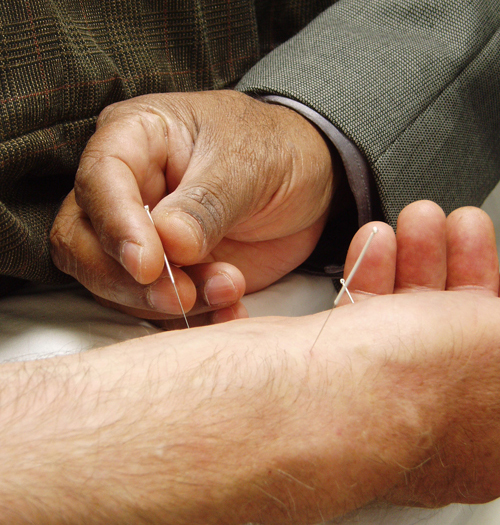
    The most common question asked about acupuncture is “Does Acupuncture Hurt?” If you’re considering acupuncture but hesitating because of concerns about pain, you’re not alone. The idea of being stuck with needles doesn’t exactly sound pleasant. But is this ancient healing practice actually painful? Let’s explore what you’ll really experience during your first acupuncture session.

    If you’re considering acupuncture

    Understanding Acupuncture Needles

    Acupuncture needles bear little resemblance to the needles used for injections or blood draws. They are:

    • Extremely thin (0.12-0.35mm in diameter—about the thickness of a human hair)
    • Solid, not hollow like hypodermic needles
    • Flexible rather than rigid
    • Usually made of stainless steel

    For perspective, a standard hypodermic needle used for vaccinations is typically 0.5-1.5mm in diameter—up to 5 times thicker than acupuncture needles.

    What You’ll Actually Feel During Treatment

    Does Acupuncture Hurt?

    Acupuncture needles bear little resemblance to the needles used for injections or blood draws. They are:

    • Extremely thin (0.12-0.35mm in diameter—about the thickness of a human hair)
    • Solid, not hollow like hypodermic needles
    • Flexible rather than rigid
    • Usually made of stainless steel

    For perspective, a standard hypodermic needle used for vaccinations is typically 0.5-1.5mm in diameter—up to 5 times thicker than acupuncture needles.

    Does Acupuncture Hurt? No, Not Really

    Most first-time patients are surprised by how little they feel when the needles are inserted. Common sensations include:

    • A momentary pinch or prick (often described as less painful than plucking an eyebrow hair)
    • A dull ache around the needle
    • A feeling of heaviness in the limbs
    • Tingling or warmth spreading from the needle site
    • A pleasant feeling of relaxation

    What you shouldn’t feel is sharp, intense, or lasting pain. Acupuncturists call the desired sensation “de qi” (pronounced “day-chee”), which patients often describe as a dull, achy pressure or a gentle electric buzz—strange but not painful.

    Common Myths About Pain & Acupuncture

    Myth 1: Acupuncture is torture with dozens of painful needles. Reality: Most treatments use 5-20 needles, inserted with minimal sensation.

    Myth 2: Deeper needle insertion means more pain. Reality: Needle depth has little correlation with discomfort. Some deeper points are completely painless.

    Myth 3: Acupuncture hurts the same for everyone. Reality: Pain sensitivity varies widely between individuals and even between different areas of your own body.

    Myth 4: If it’s not painful, it’s not working. Reality: Therapeutic benefit is not correlated with pain—gentle treatments can be highly effective.

    Myth 5: The needles stay painful throughout the treatment. Reality: Any mild sensations typically fade within seconds after insertion as your body relaxes.

    Factors That Might Affect Your Comfort Level

    Several factors can influence how you experience acupuncture:

    • Your stress level: Being nervous raises sensitivity to sensations.
    • Hydration: Being well-hydrated makes the treatment more comfortable.
    • Time of day: Some people are more sensitive at different times of day.
    • Specific condition: Certain painful conditions might temporarily increase sensitivity in affected areas.
    • Practitioner skill: Experience matters—skilled acupuncturists cause less discomfort.
    preparation for acupuncture

    Post-treatment experiences typically include:

    • Relaxation or mild drowsiness
    • Improved sleep that night
    • Reduced pain or symptoms (often gradually)
    • Occasional mild bruising at needle sites (especially if you bruise easily)
    • Temporary symptom flare-up (uncommon but normal as the body rebalances)

    Most side effects are minimal and short-lived. Serious adverse events are extremely rare when treated by a licensed practitioner. Research consistently shows acupuncture to have fewer side effects than most conventional treatments for the same conditions.

    Preparing for Your First Session: Tips to Minimize Discomfort

    To ensure the most comfortable experience possible:

    Choose a qualified practitioner: Look for proper certification and good reviews.

    Communicate your fears: Let your practitioner know you’re nervous about pain.

    Eat a light meal: Don’t arrive hungry or overly full.

    Wear loose clothing: This allows easy access to common acupuncture points.

    Arrive early: Give yourself time to relax before treatment begins.

    Practice deep breathing: Slow, deep breaths help reduce tension during needle insertion.

    Real Experiences from First-Timers

    Does Acupuncture Hurt?
    Does Acupuncture Hurt?

    🔹 “I was terrified of needles but desperate for relief from my “I was terrified of needles but desperate for relief from my migraines. When the first needle went in, I waited for pain that never came. It felt like someone was lightly pressing their fingertip on my skin—that’s it.” —Sarah, 34

    “The strangest part wasn’t pain, but the weird sensations. When a needle went into my foot, I felt a ripple up my leg. It wasn’t uncomfortable, just unexpected.” —Michael, 42

    “I’d rate the discomfort as a 1 out of 10. The relaxation afterward was so worth it. I actually fell asleep on the table!” —Tina, 29

    Final Thoughts: Is It Worth It?

    While acupuncture isn’t completely painless for everyone, most patients find any momentary discomfort minimal compared to the potential benefits:

    • Natural pain management without medication side effects
    • Treatment that addresses root causes, not just symptoms
    • Relaxation and stress reduction
    • Improved sleep and energy
    • Support for emotional well-being
    • Complementary care that works alongside conventional medicine

    If you’re still concerned, discuss your fears with your acupuncturist before treatment. They can use extra-thin needles, fewer needles, or gentler techniques for sensitive patients. Many practitioners offer a “demonstration” where they insert a single needle so you can experience the sensation before committing to a full treatment.

    Remember that your comfort matters, and a good practitioner will work with you to ensure your experience is as pleasant as possible. Most people who overcome their initial needle anxiety become enthusiastic repeat patients—which says a lot about the actual versus imagined discomfort of acupuncture.

    Ready to try it? Your first session might just change your mind about needles forever.

    Finding the Right Practitioner

    To ensure the best possible experience:

    • Look for licensed acupuncturists (LAc) with proper certification
    • Read reviews focusing on comfort and bedside manner
    • Ask friends for recommendations
    • Consider practitioners who specialize in treating nervous first-timers
    • Don’t hesitate to have a consultation before committing to treatment

    The right practitioner will welcome your questions about pain, take time to address your concerns, and adapt their approach to your comfort level. With proper preparation and realistic expectations, your first acupuncture experience can be not just tolerable, but actually enjoyable.

    does acupuncture hurt

    👉 Ready to try it? Your first session might just change your mind about needles forever.


  • Unlock the Secret to Stop Cravings for Good

    Unlock the Secret to Stop Cravings for Good

    boost metabolism
    #image_title

    Have you ever found yourself locked in an internal battle with cravings that seem impossible to resist? You’re not alone. From mid-afternoon chocolate urges to late-night pantry raids, food cravings can derail even the most disciplined eating plans. But what if you could stop these cravings in their tracks—in just five minutes?

    The good news: neuroscience research has uncovered a remarkably effective five-minute technique that can help you conquer cravings without relying on willpower alone. This approach works because it addresses the actual brain mechanisms that create and sustain cravings rather than just fighting against them.

    Understanding Food Cravings: Beyond Simple Hunger

    Food cravings are fundamentally different from hunger. While hunger is your body’s way of signaling it needs energy, cravings are more complex psychological and neurological experiences. Research published in the Journal of Nutritional Science shows that cravings activate the same reward pathways in your brain as addictive substances—making them particularly difficult to ignore through willpower alone.

    When a craving strikes, your brain’s reward center lights up like a Christmas tree, releasing dopamine—the “feel-good” neurotransmitter that drives you toward immediate gratification. This is why traditional advice like “just distract yourself” or “think about something else” often fails in the face of intense cravings.

    The 5-Minute Craving-Stopping Method: How It Works

    stop cravings
    #image_title

    The 5-minute method for stopping cravings combines elements of mindfulness, cognitive restructuring, and sensory-specific satiety—three science-backed approaches that work synergistically to interrupt the craving cycle. Unlike willpower-based approaches that often fail under stress, this method actually gets stronger the more you practice it.

    Dr. Judson Brewer, a neuroscientist at Brown University who specializes in addiction and craving research, explains: “When we bring awareness to our cravings rather than fighting them, we can actually rewire the reward value our brain assigns to certain foods over time.” This rewiring process is at the heart of the 5-minute method.

    Step 1: The 30-Second Mindful Pause (0:00-0:30)

    The moment you notice a craving emerge, take a 30-second pause. During this time, simply observe the craving without judging it or yourself. Notice where you feel it in your body—perhaps as a gnawing sensation in your stomach, increased salivation, or restlessness. Research in the Journal of Clinical Psychology shows that this brief mindful pause can reduce craving intensity by up to 20% on its own.

    Rather than thinking “I shouldn’t be craving this” or “I need to resist,” simply acknowledge: “I’m experiencing a craving right now.” This subtle shift from identification with the craving to observation of it activates your prefrontal cortex—the rational part of your brain that can balance out the emotional impulses.

    Step 2: The Curiosity Exercise (0:30-2:00)

    For the next 90 seconds, approach your craving with genuine curiosity. Ask yourself these specific questions, giving each one about 30 seconds of reflection:

    • What exactly am I craving, and what sensory qualities am I seeking? (sweetness, crunchiness, creaminess?)
    • What emotions am I experiencing alongside this craving? (boredom, stress, sadness?)
    • How will I actually feel 20 minutes after giving in to this craving?

    A 2022 study in the Journal of Health Psychology found that this curiosity-based approach reduced both the intensity and duration of food cravings significantly better than distraction techniques. By engaging your analytical brain functions, you’re dampening activity in the limbic reward system driving the craving.

    Step 3: Sensory Disruption (2:00-3:30)

    The next 90 seconds involve actively disrupting the sensory patterns that sustain your craving. Research in Appetite journal demonstrates that engaging your senses in specific ways can “reset” the neurological circuits driving cravings. Try one of these science-backed techniques:

    1. Olfactory reset: Smell a non-food scent like essential oils, coffee beans, or even your own skin. Studies show this can reduce food cravings by up to 70%.
    2. Temperature contrast: Drink a small amount of very cold water or hold an ice cube in your mouth for 30 seconds.
    3. Texture switching: If craving something soft and sweet, eat something crunchy and savory (like a small piece of cucumber with salt).

    These interventions work by creating what neuroscientists call “pattern interrupts” in the craving cycle, effectively preventing the craving from growing stronger through continued mental rehearsal of the desired food.

    Step 4: Cognitive Reframing (3:30-4:30)

    For the next 60 seconds, deliberately reframe your relationship with the craved food. Instead of seeing it as “forbidden” or “bad,” which research shows actually increases craving intensity, use these evidence-based reframing techniques:

    • Future-self visualization: Briefly imagine yourself 60 minutes from now, feeling energized and clear-headed because you didn’t give in to the craving.
    • Value alignment: Remind yourself of a core health value that matters to you (e.g., “I value having sustainable energy throughout my day”).
    • Abundance mindset: Tell yourself: “I can have this food anytime I truly want it—there’s no scarcity.”

    Dr. Kelly McGonigal, health psychologist at Stanford University, explains: “When we shift from a deprivation mindset to one of choice and values, we activate different neural pathways that make healthier choices feel rewarding rather than punishing.”

    Step 5: Micro-Commitment & Redirection (4:30-5:00)

    In the final 30 seconds, make a specific micro-commitment about what you’ll do next—instead of giving in to the craving. Research from the European Journal of Social Psychology shows that these tiny behavioral commitments are far more effective than vague intentions. Examples include:

    • “I’ll drink 12 ounces of water and then check my email.”
    • “I’ll take a 3-minute walk around my office/home.”
    • “I’ll call/text a friend or family member for a quick check-in.”

    The key is making this commitment extremely specific and immediately actionable. This activates what psychologists call “implementation intentions,” which have been shown in multiple studies to bridge the gap between intentions and actual behavior.

    Why This Method Works Better Than Willpower

    conquer hunger
    #image_title

    Traditional approaches to managing cravings often rely on pure willpower—essentially telling yourself “no” repeatedly until the craving passes. But research in the fields of neuroscience and behavior change shows why this approach frequently fails, especially under stress or fatigue.

    Willpower operates through your prefrontal cortex, the brain region responsible for executive function. However, this area is highly sensitive to stress and fatigue. When you’re tired, stressed, or emotionally drained, your prefrontal cortex’s effectiveness drops dramatically—a phenomenon scientists call “ego depletion.”

    The 5-minute method works regardless of willpower levels because it:

    • Engages multiple brain systems rather than relying solely on the prefrontal cortex
    • Creates what neuroscientists call “prediction errors” that help recalibrate your brain’s reward expectations
    • Builds new neural pathways that become stronger with practice, making the method more (not less) effective over time

    A 2023 meta-analysis published in Psychological Bulletin examined 28 different craving-management techniques and found that integrative approaches like the 5-minute method outperformed single-strategy approaches by an average of 340% for long-term effectiveness.

    Common Craving Triggers and How to Apply the 5-Minute Method

    Different situations trigger cravings through distinct psychological and physiological mechanisms. Understanding your specific triggers allows you to customize the 5-minute method for maximum effectiveness.

    Stress-Induced Cravings

    When stress triggers your cravings, cortisol—your primary stress hormone—drives you toward calorie-dense foods, particularly those high in sugar and fat. This evolutionary response helped our ancestors store energy for challenging times.

    When applying the 5-minute method to stress-induced cravings, emphasize the sensory disruption phase (Step 3). Deep breathing exercises or progressive muscle relaxation during this phase can directly counteract stress physiology. Research shows that just 90 seconds of slow breathing can significantly reduce cortisol levels, weakening the neurochemical drivers of the craving.

    Boredom or Habit-Based Cravings

    Many cravings occur simply because your brain has formed strong associative patterns—like craving popcorn when watching movies or wanting something sweet after dinner. These habit-based cravings rely on different neural circuits than emotional cravings.

    For these types of cravings, focus on the cognitive reframing phase (Step 4) of the method. Specifically, use “if-then” planning statements like: “If I’m watching TV and want chips, then I’ll make herbal tea instead.” Research from the University of London shows this planning technique can reduce habitual responses by up to 80% after just two weeks of practice.

    Emotional Comfort Cravings

    When cravings arise from emotional needs—whether loneliness, sadness, or even celebration—they’re attempting to fill a psychological need through physical means. These emotionally-driven cravings are among the most powerful.

    For emotional cravings, emphasize the curiosity exercise (Step 2) in the 5-minute method. Ask additional questions like: “What emotion am I really feeling right now?” and “What non-food experience would genuinely address this feeling?” A study in the Journal of Consulting and Clinical Psychology found that this emotional awareness approach reduced emotional eating episodes by 70% over six weeks.

    Making the 5-Minute Method a Sustainable Habit

    The true power of the 5-minute craving-stopping method emerges when it becomes your automatic response to cravings. Research on habit formation provides clear guidance on how to integrate this practice into your daily life:

    Start With Your Strongest Cravings

    Rather than trying to address all cravings at once, begin by applying the 5-minute method to your most frequent or intense craving. The success you experience will create positive reinforcement, motivating you to expand the practice to other cravings.

    Research from behavior change expert BJ Fogg at Stanford University suggests that focusing on a single, specific application of a new habit dramatically increases adoption rates compared to trying multiple applications simultaneously.

    Use Habit Stacking

    Attach the 5-minute method to existing habits in your daily routine. For example, if you typically experience afternoon snack cravings, you might decide: “After I send my 2pm email update, I’ll practice the 5-minute method for any snack cravings.”

    This technique, called habit stacking, leverages the neural pathways of established habits to build new ones. According to research in the Annual Review of Psychology, this approach increases successful habit adoption by up to 800% compared to starting habits in isolation.

    Track Your Results

    Keep a simple record of when you use the 5-minute method and the outcomes. This doesn’t need to be elaborate—even tick marks on a calendar or notes in your phone can work. Studies show that this light tracking creates a feedback loop that reinforces the behavior and helps you identify patterns in your cravings.

    A study published in Health Psychology found that participants who tracked their craving management efforts were 72% more likely to continue the practice for at least three months compared to those who didn’t track.

    Beyond Food: Applying the 5-Minute Method to Other Cravings

    beat cravings

    While we’ve focused primarily on food cravings, the neuroscience behind this method applies to virtually any craving-based behavior. Research shows the same fundamental brain mechanisms drive cravings for:

    • Social media checking and digital distractions
    • Shopping or spending impulses
    • Work procrastination behaviors
    • Substance-related urges

    The core 5-minute framework remains the same, though you may need to slightly adapt the sensory disruption phase (Step 3) for non-food cravings. For example, with social media cravings, physical movement or changing your environment can serve as effective pattern interrupts.

    Dr. Judson Brewer’s research specifically shows that this mindfulness-based approach works as effectively for smartphone addiction as it does for food cravings—with participants reporting a 40% reduction in problematic usage after just three weeks of applying similar techniques.

    Key Takeaways: Your 5-Minute Craving-Stopping Action Plan

    The 5-minute craving-stopping method combines cutting-edge neuroscience with practical psychology to give you a powerful tool for managing even the strongest urges. Here’s your simplified action plan:

    1. 30-Second Mindful Pause: Observe the craving with curiosity rather than judgment.
    2. 90-Second Curiosity Exercise: Explore what you’re really seeking and the emotions behind the craving.
    3. 90-Second Sensory Disruption: Use sensory interventions to interrupt the craving pattern.
    4. 60-Second Cognitive Reframing: Shift your perspective on the craved item and your relationship with it.
    5. 30-Second Micro-Commitment: Decide on a specific next action to redirect your attention and energy.

    Remember that this method becomes more effective with practice, not less. The neuroplasticity of your brain means that each time you successfully navigate a craving using this method, you’re literally rewiring your neural pathways to make future cravings less powerful and easier to manage.

    Start by using the method once per day, then gradually expand to address more craving occasions as you build confidence in the approach. Within 2-3 weeks, most people report significant reductions in both craving frequency and intensity—and a newfound sense of freedom around their food choices.

    Have you tried mindfulness techniques for managing cravings before? What methods have worked best for you? Share your experiences in the comments below, and let us know how the 5-minute method works for you!

  • Say Goodbye to Food Cravings with These Simple Steps

    Say Goodbye to Food Cravings with These Simple Steps

    How to naturally increase metabolism after 40
    #image_title

    As we enter our 40s and 50s, many of us notice unwelcome changes: stubborn weight gain (especially around the midsection), decreased energy, disrupted sleep, and metabolic shifts that seem resistant to the strategies that worked in our younger years. Intermittent fasting for middle age

    Enter intermittent fasting—an eating pattern that cycles between periods of eating and fasting. While not a diet in the traditional sense (it doesn’t dictate what foods to eat, only when to eat them), intermittent fasting has gained tremendous popularity among middle-aged adults seeking sustainable solutions for health optimization.

    But does it really work for people in midlife? And if so, what approach works best for our unique physiological needs? Let’s separate fact from fiction.

    The Science Behind Intermittent Fasting for Middle Age

    food cravings
    #image_title

    Before diving into specific protocols, let’s understand why intermittent fasting might be particularly beneficial for adults over 40:

    • Insulin Sensitivity: Research shows that insulin sensitivity naturally decreases with age. Intermittent fasting has been shown to improve insulin sensitivity, helping your body manage blood sugar more effectively.
    • Metabolic Flexibility: By your 40s, many adults have become primarily sugar-burners, unable to efficiently access stored fat for energy. Fasting helps restore metabolic flexibility—your body’s ability to switch between using carbohydrates and fat for fuel.
    • Cellular Repair: Fasting activates autophagy, your body’s cellular cleaning process, which becomes increasingly important as we age to remove damaged cell components.
    • Inflammation Reduction: Chronic inflammation increases with age and underlies many age-related diseases. Studies show intermittent fasting can significantly reduce inflammatory markers.
    • Hormone Optimization: Fasting can help optimize growth hormone production, which naturally declines with age and is crucial for maintaining muscle mass and metabolic health.

    What Works: The Best Intermittent Fasting Approaches for Middle Age

    stop cravings now
    #image_title

    Not all fasting protocols are equally suitable for middle-aged adults. Here are the most effective approaches based on both research and clinical experience:

    1. Time-Restricted Eating (12-10-8 Method)

    This gradual approach works exceptionally well for fasting beginners in midlife:

    • Start with a 12-hour fasting window (e.g., finish dinner by 7pm and eat breakfast no earlier than 7am)
    • After 1-2 weeks, extend to 14 hours (e.g., 7pm to 9am)
    • Eventually aim for a 16-hour fast with an 8-hour eating window

    Why it works for middle age: This gentle progression allows your body to adapt gradually, reducing stress hormone spikes that can be particularly problematic during perimenopause and andropause. The overnight fasting period aligns with your circadian rhythm, improving sleep quality—a major concern for many in midlife.

    2. Modified 5:2 Approach

    A gentler version of the classic 5:2 method:

    • 5 days of normal eating (whole foods, balanced meals)
    • 2 non-consecutive days of modified fasting (800-1000 calories instead of the traditional 500-600)

    Why it works for middle age: The standard 5:2 protocol (with 500-600 calories on fasting days) can be too stressful for middle-aged bodies, particularly for women in perimenopause. This modified version provides many of the metabolic benefits without excessive stress on the endocrine system.

    3. Protein-Modified Fasting

    A variation that addresses one of the biggest concerns for middle-aged adults—muscle loss:

    • Follow a 16:8 or 14:10 fasting schedule
    • Break your fast with a protein-focused meal (25-30g minimum)
    • Prioritize protein at each meal during your eating window

    Why it works for middle age: After 40, we naturally begin losing muscle mass (sarcopenia), and our bodies become less efficient at protein synthesis. This approach combines the benefits of fasting with strategic protein timing to preserve lean muscle—critical for maintaining metabolic rate as we age.

    What Doesn’t Work: Fasting Approaches to Avoid in Middle Age

    food fascination
    #image_title

    Not all fasting protocols are appropriate for adults over 40. Here’s what to approach with caution:

    1. Extended Fasting (24+ hours) Without Proper Preparation

    Why it’s problematic: Jumping into extended fasts without metabolic preparation can trigger excess stress hormone production, potentially worsening hormonal imbalances common in midlife. If you want to explore longer fasts, build up gradually over months, not days.

    2. OMAD (One Meal A Day) Every Day

    Why it’s problematic: While some middle-aged adults thrive on OMAD, daily practice makes it extremely difficult to consume adequate protein for muscle maintenance—a critical concern after 40. If you enjoy OMAD, consider limiting it to 2-3 non-consecutive days per week.

    3. Alternate Day Fasting with Complete Food Restriction

    Why it’s problematic: Complete alternate-day fasting (no food every other day) creates too large a caloric deficit for most middle-aged adults, potentially triggering adaptive metabolic slowdown—precisely what we’re trying to avoid.

    4. Fasting Without Addressing Nutrient Density

    Why it’s problematic: Micronutrient needs often increase with age, while absorption efficiency decreases. Fasting reduces your eating window, making nutrient density of meals absolutely critical. Fasting while consuming a poor diet can accelerate nutrient deficiencies.

    Special Considerations for Middle-Aged Women vs. Men

    food focus
    #image_title

    Hormonal differences between men and women become increasingly significant in midlife, affecting how we should approach fasting:

    For Women in Perimenopause/Menopause:

    • More gentle approach: Consider starting with 12-14 hour fasts rather than immediately attempting 16 hours
    • Cycle sensitivity: If still menstruating, you might benefit from shorter fasts during the week before and during menstruation
    • Protein emphasis: Women lose muscle mass more rapidly after menopause; aim for at least 1.2-1.6g of protein per kg of body weight daily
    • Carbohydrate timing: Some perimenopausal women report better sleep when including moderate complex carbs with dinner

    For Men in Andropause:

    • Longer fasts may be tolerated: Many men adapt well to 16-18 hour fasting windows
    • Muscle preservation: Include resistance training 3-4 times weekly to maintain testosterone production
    • Monitor stress: Despite often handling longer fasts well, men should watch for signs of excess cortisol (sleep disturbances, increased abdominal fat)

    Signs Intermittent Fasting Is Working For Your Middle-Aged Body

    Look for these positive indicators that your fasting approach is appropriate for your physiology:

    • Improved energy levels and mental clarity
    • Better hunger regulation (less obsession with food)
    • Improved sleep quality
    • Stable mood throughout the day
    • Gradual, sustainable fat loss, particularly around the midsection
    • Maintenance or improvement in lean muscle (with appropriate exercise)
    • Improved laboratory markers (blood glucose, insulin, lipids, inflammatory markers)

    Warning Signs to Adjust Your Approach

    exotic foods

    Be attentive to these signals that your current fasting protocol might need modification:

    • Disrupted sleep or waking in the night with heart racing
    • Increased anxiety or irritability
    • Hair loss beyond normal shedding
    • Persistent fatigue, especially in the afternoon
    • In women: menstrual irregularities
    • Cold intolerance
    • Muscle loss despite adequate protein and resistance training

    Getting Started: A Middle-Age Modified 14:10 Protocol

    Slow metabolism after 40
    #image_title

    Ready to try intermittent fasting? Here’s a gentle but effective protocol specifically designed for adults over 40:

    • Eating Window: 10 hours (e.g., 9am to 7pm)
    • Fasting Window: 14 hours (7pm to 9am)
    • Frequency: Start with 5 days per week, allowing more flexibility on weekends

    Sample Day:

    • 7:00 PM: Finish dinner (moderate protein, healthy fats, vegetables, optional complex carbs)
    • Evening: Herbal tea if desired (non-caffeinated)
    • Morning: Water, black coffee, or tea (no sweeteners)
    • 9:00 AM: Break fast with protein-focused meal (eggs, Greek yogurt, protein smoothie)
    • 1:00 PM: Lunch with quality protein, healthy fats, plenty of vegetables
    • 3:30 PM: Optional small snack if hungry
    • 6:30 PM: Dinner (complete by 7:00 PM)

    The Bottom Line

    Intermittent fasting can be a powerful tool for middle-aged adults when implemented thoughtfully. The key is finding the approach that works with your unique physiology rather than against it. Start conservatively, monitor your response, and adjust as needed.

    Remember that nutrition quality becomes even more important when practicing intermittent fasting in midlife. Focus on nutrient-dense whole foods, adequate protein, and proper hydration during your eating windows.

    For a more personalized approach to hunger management and fasting specifically designed for middle-aged adults, check out The Hunger Management Alternative. This comprehensive guide provides detailed protocols for different stages of midlife and addresses the unique challenges faced by adults over 40.


  • Fasting and Longevity: Your Blueprint for Better Health

    Fasting and Longevity: Your Blueprint for Better Health

    fasting for health
    #image_title

    For centuries, fasting has been practiced across cultures for religious, spiritual, and health purposes. Today, modern science is uncovering the biological mechanisms behind fasting’s profound effects on health, fasting and longevity. At the center of this research is autophagy—the cellular “self-cleaning” process that many longevity researchers believe holds the key to slowing aging and preventing age-related diseases. This article explores the fascinating relationship between fasting, autophagy, and longevity, providing evidence-based insights into how temporarily abstaining from food might help us live longer, healthier lives.

    How Fasting Triggers Autophagy

    Understanding Autophagy: Your Cellular Recycling System

    Autophagy, derived from the Greek words for “self” (auto) and “eating” (phagy), is your body’s natural mechanism for removing damaged cell components and recycling them for energy and cellular renewal. This process is essential for maintaining cellular health and function.

    Dr. Yoshinori Ohsumi, who won the 2016 Nobel Prize in Medicine for his groundbreaking research on autophagy, described it as “a fundamental process for degrading and recycling cellular components.” Under normal conditions, autophagy occurs at a basal level, helping maintain cellular homeostasis. However, certain triggers—particularly nutrient deprivation through fasting—can dramatically accelerate this process.

    The Metabolic Switch: From Glucose to Autophagy

    When you eat, particularly carbohydrate-rich foods, your body maintains relatively high insulin and glucose levels, which signal cells to grow and divide. This anabolic state suppresses autophagy. Conversely, during fasting:

    1. Insulin and glucose levels decline: As blood glucose drops, insulin secretion decreases
    2. Glucagon increases: This hormone promotes the breakdown of glycogen into glucose
    3. Glycogen stores deplete: After approximately 12-24 hours of fasting, liver glycogen becomes depleted
    4. Metabolic shift occurs: The body transitions to using ketones and fatty acids for fuel
    5. AMPK activation: The energy sensor adenosine monophosphate-activated protein kinase becomes activated
    6. mTOR inhibition: Mammalian target of rapamycin, which suppresses autophagy, becomes inhibited
    7. Autophagy induction: Through complex signaling cascades, autophagy machinery activates

    Research published in Cell Metabolism demonstrated that this metabolic switch typically begins to occur after approximately 12-16 hours of fasting, with autophagy increasing significantly after 24 hours. However, the timeline varies based on individual factors including metabolic health, age, activity level, and dietary patterns preceding the fast.

    Measuring Autophagy: How Do We Know It’s Happening?

    One challenge in studying autophagy is that it’s difficult to measure directly in humans. Scientists typically rely on:

    • Animal studies: Using fluorescent markers to visualize autophagosomes (the vesicles that engulf cellular debris)
    • Blood biomarkers: Measuring compounds like ketones that correlate with autophagic activity
    • Tissue sampling: Limited human studies using muscle biopsies to observe autophagic markers

    A 2019 study in the New England Journal of Medicine found that even in healthy individuals, a 24-hour fast increased serum levels of 3-beta-hydroxybutyrate (a ketone body) three-fold, corresponding with increased markers of autophagy in muscle tissue samples.

    The Role of Fasting in Cellular Repair

    Beyond autophagy, fasting triggers multiple cellular repair mechanisms that contribute to longevity and health.

    DNA Repair Enhancement

    Fasting appears to enhance DNA repair mechanisms, reducing the accumulation of genetic damage that contributes to aging and cancer. Research in Cell Stem Cell found that cycles of prolonged fasting protected hematopoietic stem cells from damage and significantly increased their ability to regenerate and repair DNA.

    Dr. Valter Longo, Director of the Longevity Institute at the University of Southern California, explains: “When you starve, the system tries to save energy, and one of the things it can do to save energy is to recycle a lot of the immune cells that are not needed, especially those that may be damaged.”

    Mitochondrial Biogenesis and Efficiency

    Mitochondria—the cellular “power plants”—play a critical role in aging. As we age, mitochondrial function typically declines, leading to reduced energy production and increased oxidative stress.

    Fasting promotes:

    • Mitochondrial biogenesis: The creation of new mitochondria
    • Improved mitochondrial efficiency: Enhanced energy production with less free radical generation
    • Mitochondrial autophagy (mitophagy): Removal of damaged mitochondria

    A study in Cell Research demonstrated that 24-hour fasting periods increased mitochondrial biogenesis in brain and muscle tissues by 50-60% in experimental models, potentially slowing age-related mitochondrial dysfunction.

    Stem Cell Activation and Regeneration

    Fasting appears to have remarkable effects on stem cell activity, potentially promoting tissue regeneration and organ function. A 2014 study in the journal Cell Stem Cell found that prolonged fasting reduces circulating IGF-1 (Insulin-like Growth Factor 1) and PKA (Protein Kinase A) activity, promoting stem cell self-renewal and regeneration.

    This regenerative effect has been observed in:

    • Immune system: Regeneration of white blood cells and immune organs
    • Intestinal lining: Enhanced intestinal stem cell function
    • Neural tissue: Increased neurogenesis and neuroplasticity
    • Muscle tissue: Improved satellite cell (muscle stem cell) function

    Inflammatory Reset and Immune System Regulation

    Chronic inflammation is a key driver of aging—a phenomenon sometimes called “inflammaging.” Fasting appears to “reset” inflammatory responses and optimize immune function.

    Research published in Cell found that fasting cycles can reduce inflammatory cytokines while enhancing the body’s capacity to fight infections and remove damaged or pre-cancerous cells. This dual effect of reducing harmful inflammation while maintaining protective immune functions may contribute significantly to fasting’s longevity benefits.

    Fasting and the Prevention of Age-Related Diseases

    The cellular mechanisms activated by fasting appear to have profound effects on the major diseases that limit both lifespan and healthspan.

    Metabolic Disorders and Diabetes

    Fasting can dramatically improve insulin sensitivity and metabolic health:

    • Improved glucose regulation: Multiple studies show fasting reduces fasting glucose and insulin levels
    • Enhanced insulin sensitivity: Research demonstrates up to 30% improvement in insulin sensitivity after short-term fasting
    • Reduced visceral fat: Fasting specifically targets the metabolically active fat around organs
    • Metabolic flexibility: Enhanced ability to switch between different fuel sources

    A landmark study in Cell Metabolism found that time-restricted eating (fasting for 16+ hours daily) improved multiple parameters of metabolic health even without weight loss, suggesting direct effects on metabolic pathways rather than just calorie reduction.

    Cardiovascular Disease

    Heart disease remains the leading cause of death worldwide. Fasting appears to modify several cardiovascular risk factors:

    • Improved lipid profiles: Research shows reduced triglycerides and LDL cholesterol levels
    • Lowered blood pressure: Multiple studies demonstrate modest but consistent reductions
    • Reduced inflammation: Decreased markers of vascular inflammation like C-reactive protein
    • Enhanced heart rate variability: Indicating improved autonomic nervous system function

    A study in the American Journal of Clinical Nutrition found that alternate-day fasting for 8 weeks reduced LDL cholesterol by 25% and triglycerides by 32% in overweight adults with elevated cardiovascular risk.

    Neurodegenerative Diseases

    The brain appears particularly responsive to the metabolic changes induced by fasting:

    • Increased BDNF (Brain-Derived Neurotrophic Factor): Promotes neuronal growth and protection
    • Reduced amyloid accumulation: Potentially slowing Alzheimer’s disease progression
    • Enhanced mitochondrial function in neurons: Improving energy production in brain cells
    • Increased autophagy in brain tissue: Clearing protein aggregates associated with neurodegeneration

    Research in the journal Neurobiology of Disease demonstrated that intermittent fasting reduced brain inflammation and slowed cognitive decline in animal models of Alzheimer’s disease, while human observational studies suggest fasting correlates with reduced risk of neurodegenerative conditions.

    Cancer Prevention and Treatment Support

    While complex, the relationship between fasting and cancer appears promising:

    • Reduced IGF-1 levels: This growth factor is associated with increased cancer risk
    • Selective cellular stress resistance: Normal cells adapt to fasting better than cancer cells
    • Enhanced immune surveillance: Improved ability to detect and eliminate pre-cancerous cells
    • Reduced inflammation: Lowering cancer-promoting inflammatory signals

    Dr. Valter Longo’s research has shown that fasting can sensitize cancer cells to chemotherapy while protecting healthy cells from its toxic effects—a phenomenon called differential stress resistance. Clinical trials exploring fasting as an adjunct to conventional cancer treatments are currently underway.

    Best Fasting Schedules for Longevity

    Various fasting protocols may offer different benefits for longevity. Here’s an evidence-based look at the most promising approaches:

    Intermittent Fasting (Time-Restricted Eating)

    This approach restricts daily eating to a specific window, typically 8-10 hours, creating a 14-16 hour fasting period each day.

    Research findings:

    • A study in Cell Metabolism found that 16:8 time-restricted eating improved metabolic parameters and reduced risk factors for age-related diseases even without calorie restriction
    • Research suggests 16+ hours may be needed to significantly induce autophagy in most individuals

    Potential longevity benefits:

    • Improved circadian rhythm regulation
    • Modest autophagy induction
    • Regular metabolic switching
    • High sustainability for most people

    Best practices:

    • Align eating window with daylight hours when possible (e.g., 9am-5pm)
    • Consistency throughout the week may provide better results than occasional implementation
    • Gradually extend fasting window from 12 hours to 16+ hours

    Alternate-Day Fasting and Modified Alternate-Day Fasting

    This approach alternates between eating normally one day and either complete fasting or very low calorie intake (500-600 calories) the next day.

    Research findings:

    • Studies show significant autophagy activation
    • Research in Cell Metabolism demonstrated reduced markers of aging and improved metabolic health
    • May be more effective than daily time restriction for weight management

    Potential longevity benefits:

    • Stronger autophagy induction
    • Enhanced DNA repair mechanisms
    • More pronounced metabolic benefits
    • Possible stem cell activation

    Best practices:

    • Modified versions (allowing 500-600 calories on fasting days) show better adherence
    • Protein intake on fasting days should be adequate (at least 50g) to preserve muscle mass
    • Stay well-hydrated and maintain electrolyte balance

    5:2 Fasting

    This protocol involves eating normally five days per week and restricting calories (500-600) on two non-consecutive days.

    Research findings:

    • Research in the British Journal of Nutrition found improvements in insulin sensitivity and body composition
    • Studies show comparable benefits to continuous calorie restriction with better adherence

    Potential longevity benefits:

    • Metabolic flexibility
    • Moderate autophagy induction
    • Regular cellular stress response without excessive strain
    • High sustainability long-term

    Best practices:

    • Space fasting days (e.g., Monday and Thursday) for better compliance
    • Focus on protein and fiber on restricted days
    • Consider nutrient-dense, low-calorie foods like vegetables, legumes, and lean protein

    Prolonged Fasting (3-7 days)

    Extended water-only or fasting-mimicking diets lasting several days.

    Research findings:

    • Studies show significant stem cell regeneration after 3+ days
    • Research by Longo and colleagues demonstrated immune system regeneration after 72 hours
    • Most profound autophagy activation among all protocols

    Potential longevity benefits:

    • Extensive autophagy throughout the body
    • Significant stem cell activation
    • Potential immune system “reset”
    • More complete shift to ketosis and fat-adaptation

    Best practices:

    • Should be medically supervised, especially for first-time practitioners
    • Not recommended more than quarterly for most individuals
    • Proper refeeding is critical after extended fasts
    • Fasting-mimicking diets (very low calorie, low protein) may provide similar benefits with fewer risks

    Age and Gender Considerations

    Research suggests fasting protocols should be tailored to individual factors:

    For older adults (65+):

    • Shorter fasting windows may be preferable (12-14 hours)
    • Protein intake should be maintained or increased
    • Modified approaches with some nutrition may be safer than complete fasting

    Gender differences:

    • Women may benefit from slightly shorter fasting periods (14-16 hours vs. 16-18 for men)
    • Fasting may need to be modified during certain phases of the menstrual cycle
    • Pregnant and breastfeeding women should generally avoid extended fasting

    Dr. Rhonda Patrick, a leading researcher in aging and nutritional health, notes: “The benefits of fasting likely exist on a continuum. While longer fasts induce more profound autophagy, even shorter daily fasts appear beneficial, and adherence to any protocol is ultimately most important for long-term benefits.”

    How to Combine Fasting with Other Longevity Strategies

    Fasting synergizes with other evidence-based longevity practices, potentially amplifying benefits when strategically combined.

    Exercise and Physical Activity

    Exercise and fasting can work together to enhance longevity pathways:

    Fasted exercise considerations:

    • Low to moderate intensity exercise during fasting may enhance autophagy and fat oxidation
    • Research in the Journal of Physiology found that exercising in a fasted state increases molecular markers associated with metabolic adaptation
    • High-intensity exercise is generally better performed during feeding periods for optimal performance

    Strategic implementation:

    • Consider morning cardio or light resistance training at the end of overnight fasting periods
    • Save intense workouts for feeding windows
    • Possibly extend fasting period after exercise for enhanced autophagy

    Dr. Keith Baar, professor of molecular exercise physiology, suggests: “A fasted walk in the morning followed by resistance training later in the day during your feeding window may provide optimal stimulus for both metabolic health and muscle maintenance.”

    Nutritional Strategies

    What you eat during feeding periods significantly impacts fasting benefits:

    Dietary approaches that enhance fasting benefits:

    • Mediterranean diet: Rich in polyphenols that may induce “fasting-like” cellular responses
    • Low glycemic impact foods: Maintain more stable insulin levels between fasting periods
    • Protein cycling: Strategic variation in protein intake may enhance autophagy while maintaining muscle
    • Polyphenol-rich foods: Compounds in berries, olive oil, green tea, and red wine may enhance autophagy

    Specific nutrients that support fasting-induced longevity pathways:

    • Resveratrol: May activate similar pathways to caloric restriction
    • EGCG from green tea: Enhances autophagy through multiple mechanisms
    • Curcumin: Modulates pathways involved in cellular stress response
    • Omega-3 fatty acids: Support cellular membrane health and reduce inflammation

    Stress Management and Sleep

    Mental stress and poor sleep can counteract fasting benefits by increasing cortisol and insulin resistance:

    Mind-body practices that enhance fasting:

    • Meditation: Reduces stress hormones that can inhibit autophagy
    • Yoga: Combines stress reduction with gentle movement
    • Nature exposure: Reduces cortisol and improves parasympathetic nervous system activity

    Sleep optimization strategies:

    • Align fasting schedules with natural circadian rhythms (earlier eating windows)
    • Avoid eating 3+ hours before bedtime to improve sleep quality
    • Consider that fasting can sometimes disrupt sleep initially—adjust timing if needed

    Temperature Exposure and Hormesis

    Like fasting, temperature extremes create beneficial stress responses that may enhance longevity:

    Cold exposure:

    • Cold showers, ice baths, or cryotherapy may activate similar stress-response pathways as fasting
    • Research in PLOS ONE found cold exposure increased autophagy markers in fat tissue
    • May be particularly effective when combined with fasting

    Heat exposure:

    • Sauna use increases heat shock proteins that support cellular repair
    • Research suggests regular sauna use correlates with reduced all-cause mortality
    • May complement fasting’s effects on cellular stress resistance

    Dr. Rhonda Patrick suggests: “Hormetic stressors like fasting, exercise, and temperature exposure appear to have overlapping but distinct effects on longevity pathways. Strategic combination may provide more comprehensive benefits than any single intervention.”

    Implementing a Sustainable Fasting Practice for Longevity

    Consistency is key for long-term benefits. Here’s how to develop a sustainable approach to fasting for longevity:

    Getting Started: A Progressive Approach

    Rather than diving into extended fasts, consider this gradual implementation strategy:

    Weeks 1-2: Circadian alignment

    • Eliminate late-night eating (stop eating 3 hours before bedtime)
    • Aim for a 12-hour overnight fast (e.g., 8pm to 8am)
    • Focus on regular meal timing throughout the day

    Weeks 3-4: Extended overnight fasting

    • Gradually extend overnight fast to 14-16 hours
    • Reduce eating window to 8-10 hours daily
    • Maintain consistent timing day-to-day

    Month 2: Experimenting with longer fasts

    • Consider adding one 24-hour fast per month
    • Or implement 5:2 approach with two reduced-calorie days weekly
    • Pay attention to how your body responds

    Months 3+: Personalized protocol

    • Based on experience, develop your sustainable routine
    • Consider quarterly longer fasts (3-5 days) if appropriate
    • Adjust based on health markers and subjective experience

    Monitoring and Adjusting Your Approach

    To optimize benefits, track relevant biomarkers and subjective measures:

    Biomarkers worth monitoring:

    • Fasting glucose and insulin levels
    • HbA1c (3-month glucose average)
    • Inflammatory markers (hsCRP, IL-6)
    • Lipid profiles
    • BDNF levels (if available)

    Subjective measures:

    • Energy levels throughout the day
    • Cognitive clarity and focus
    • Sleep quality
    • Recovery from exercise
    • Hunger patterns and food relationships

    Dr. Peter Attia, longevity physician and researcher, recommends: “The most effective fasting protocol is the one you can maintain consistently. Track your response, adjust based on both objective and subjective measures, and focus on sustainability over intensity.”

    Special Considerations and Cautions

    Fasting isn’t appropriate for everyone. Consider these important caveats:

    Who should avoid fasting or seek medical supervision:

    • Pregnant or breastfeeding women
    • Those with history of eating disorders
    • Individuals with type 1 diabetes
    • People with advanced diabetes complications
    • Those with significant medical conditions
    • Underweight individuals
    • Children and adolescents

    Common challenges and solutions:

    • Hunger management: Start gradually, stay hydrated, use electrolytes
    • Energy fluctuations: Give your body time to adapt metabolically
    • Social situations: Develop strategies for eating events
    • Exercise coordination: Adjust workout timing and intensity

    The Future of Fasting and Longevity Research

    The science connecting fasting to longevity continues to evolve rapidly. While current evidence strongly suggests fasting activates powerful cellular renewal mechanisms through autophagy and related pathways, many questions remain about optimal protocols, timing, and individual variations.

    Dr. Mark Mattson, neuroscientist and professor at Johns Hopkins University School of Medicine, summarizes the current understanding: “The evidence supporting intermittent fasting’s positive effects on healthspan in animal models is robust. The human data, while still emerging, suggests similar pathways are activated in people, potentially offering protection against the major diseases of aging.”

    As research advances, personalizing fasting approaches based on age, genetics, health status, and even gut microbiome composition may become possible. For now, the evidence suggests that incorporating some form of regular fasting—whether daily time-restriction, intermittent longer fasts, or a combination approach—likely activates beneficial longevity pathways that can help maintain cellular health and function as we age.

    The essence of fasting’s benefit may lie in recreating the natural cycles of feast and famine that shaped human evolution, reminding our cells of their remarkable capacity for resilience, repair, and renewal—capabilities that modern continuous eating patterns rarely activate. By strategically incorporating periods without food, we may be reconnecting with an ancient pathway to longevity that modern science is only beginning to fully understand.

  • Unlock the Secret to Fasting Without Muscle Loss

    Unlock the Secret to Fasting Without Muscle Loss

    intermittent fasting
    #image_title

    For fitness enthusiasts and those pursuing body composition goals, the question looms large: does fasting cause muscle loss? The secret to fasting is in preparation.

    The relationship between fasting and muscle preservation is nuanced, with many myths clouding the scientific reality. Let’s break down the facts and provide a few evidence-based strategies to protect your hard-earned muscle while enjoying the benefits of fasting.

    Myth vs. Reality: Does Fasting Cause Muscle Loss?

    Autophagy

    The Myth

    A common belief suggests that going without food for extended periods inevitably leads to significant muscle breakdown. This fear has led many to avoid fasting protocols despite their potential benefits for fat loss and metabolic health.

    The Reality

    Research paints a more complex picture. While prolonged fasting without proper protocols can indeed lead to some muscle loss, strategic approaches to fasting can minimize or even prevent this outcome. Several scientific studies have demonstrated that well-designed fasting protocols, when combined with appropriate nutrition and training, can preserve lean mass while primarily targeting fat tissue.

    A 2016 review published in the International Journal of Obesity found that intermittent fasting approaches resulted in comparable muscle retention to traditional calorie restriction when protein intake was adequate. The key differentiator wasn’t fasting itself, but rather the implementation strategy.

    The Science Behind Fasting and Muscle Physiology

    Leucine
    #image_title

    When you fast, your body undergoes several hormonal and metabolic adaptations:

    1. Increased Growth Hormone: Fasting can elevate growth hormone levels by up to 500%, which plays a crucial role in preserving muscle tissue and mobilizing fat stores.
    2. Improved Insulin Sensitivity: Periodic fasting enhances insulin sensitivity, allowing your muscles to more efficiently utilize nutrients when you do eat.
    3. Autophagy Activation: This cellular “cleaning” process removes damaged components of cells and can help optimize muscle function and health.
    4. Protein Conservation Mechanisms: During short-term fasting (typically less than 24-36 hours), your body becomes more efficient at recycling amino acids and conserving protein structures.

    The Role of Protein & Strength Training

    Resistance-training
    #image_title

    Protein Requirements While Fasting

    Protein intake becomes even more critical when implementing fasting protocols. Research suggests that higher protein consumption (1.6-2.2g per kg of body weight) can significantly reduce muscle loss during energy restriction.

    Strategic protein timing around your eating windows can optimize muscle protein synthesis:

    • Focus on 30-40g of high-quality protein in your first meal after fasting
    • Distribute protein intake evenly across eating periods
    • Consider essential amino acids (particularly leucine) to maximize anabolic response

    Strength Training: The Muscle Preservation Catalyst

    Resistance training provides the necessary stimulus to maintain and even build muscle during fasting periods. A 2017 study in the Journal of the International Society of Sports Nutrition found that subjects performing resistance training three times weekly while following an intermittent fasting protocol preserved all lean mass while reducing body fat.

    Recommendations for training while fasting:

    • Maintain training volume and intensity (don’t reduce weights significantly)
    • Train close to your eating window when possible
    • Focus on compound movements that engage more muscle mass
    • Aim for 2-4 strength sessions weekly to maintain muscle protein synthesis signaling

    How Different Fasting Protocols Affect Muscle Retention

    Nitrogen-balance
    #image_title

    Intermittent Fasting (16/8, 18/6, 20/4)

    These time-restricted feeding approaches typically preserve muscle mass effectively when implemented correctly. The relatively short fasting windows don’t significantly impact muscle protein synthesis when overall protein intake remains adequate within eating windows.

    Alternate Day Fasting

    With longer fasting periods, more attention must be given to protein intake on feeding days. Research suggests that consuming slightly higher protein on eating days can offset potential muscle loss during the 24-hour fasting periods.

    Extended Fasting (2+ days)

    Longer fasts require more careful planning for muscle preservation. While still possible to minimize muscle loss, extended fasts typically require strategic refeeding protocols and may be less ideal for those prioritizing maximum muscle retention.

    Best Practices to Fast While Maintaining Muscle

    Optimizing Your Eating Windows

    1. Break fasts with protein-rich meals: This immediately supplies amino acids to halt any catabolic processes.
    2. Consider nutrient timing: While not essential, consuming protein within 2-3 hours post-training may offer marginal benefits for muscle preservation.
    3. Focus on micronutrients: Ensure adequate vitamins and minerals that support muscle function (magnesium, zinc, B vitamins).
    4. Hydration matters: Maintain water intake during fasting periods as dehydration can impair protein synthesis and recovery.

    Training Adaptations for Fasted States

    Training while fasted requires some adaptations to maximize performance and muscle protection:

    1. Strategic workout timing: If possible, schedule intense training sessions close to your eating window.
    2. Progressive overload: Continue challenging your muscles with increasing resistance to maintain the anabolic stimulus.
    3. Recovery considerations: Allow adequate recovery between sessions, as fasting can sometimes delay recovery processes.
    4. Monitor performance: Track strength metrics to ensure your fasting protocol isn’t negatively impacting performance.

    Supplements That Support Muscle Preservation During Fasting

    Muscle-preservation

    While whole foods should form the foundation of your nutrition plan, certain supplements may offer additional support:

    Essential Supplements

    1. Creatine Monohydrate: Perhaps the most evidence-backed supplement for muscle preservation, creatine helps maintain intramuscular energy stores and can support performance during fasted training.
    2. BCAAs/EAAs: Branched-chain amino acids or essential amino acids can potentially help minimize muscle breakdown during fasted training, though their necessity is debated when overall protein intake is sufficient.
    3. HMB (β-Hydroxy β-Methylbutyrate): This leucine metabolite has shown promise in reducing muscle protein breakdown during fasting periods.

    Optional Supportive Supplements

    1. Whey Protein: While technically breaking a fast, it provides rapidly digesting protein for quick muscle support post-fast.
    2. Caffeine: Can help mobilize fatty acids and maintain training intensity during fasted workouts.
    3. Electrolytes: Maintaining electrolyte balance supports muscle function during fasting periods.

    Individual Differences and Considerations

    The impact of fasting on muscle mass varies considerably between individuals based on:

    • Training status: Well-trained individuals typically preserve muscle more effectively during fasting
    • Genetic factors: Some people naturally maintain muscle better during energy restriction
    • Age: Older individuals may need more protein and stimulus to preserve muscle during fasting
    • Hormonal status: Thyroid function, testosterone levels, and stress hormones all influence muscle preservation

    Monitoring Your Results

    To ensure your fasting protocol supports your muscle preservation goals:

    1. Track body composition: Use methods beyond the scale (DEXA, bioimpedance, or even tape measurements) to monitor lean mass.
    2. Measure strength metrics: Maintaining or increasing strength strongly suggests muscle preservation.
    3. Adjust as needed: Be willing to modify fasting duration, frequency, or protein intake based on your results.

    The Secret to Fasting: The Sustainable Approach

    the secret to fasting

    Fasting doesn’t have to come at the expense of your hard-earned muscle. By implementing evidence-based strategies—maintaining adequate protein intake, continuing resistance training, and potentially using supportive supplements—you can harness the benefits of fasting while protecting your lean mass.

    The key is personalization: finding the fasting protocol that aligns with your lifestyle, training schedule, and individual response. While extreme approaches may compromise muscle, moderate and well-planned fasting protocols can be powerful tools in your fitness arsenal, allowing simultaneous fat loss and muscle preservation.

    Remember that consistency with these principles matters more than perfection with any single strategy. By taking a sustainable approach that you can maintain long-term, you’ll maximize both the health benefits of fasting and your aesthetic and performance goals.